USB-C Cable Durability: What Makes a Cable Last

Factors Affecting Cable Durability
USB-C cable lifespan depends on construction quality, materials, and usage patterns. Understanding these factors helps you choose durable cables.
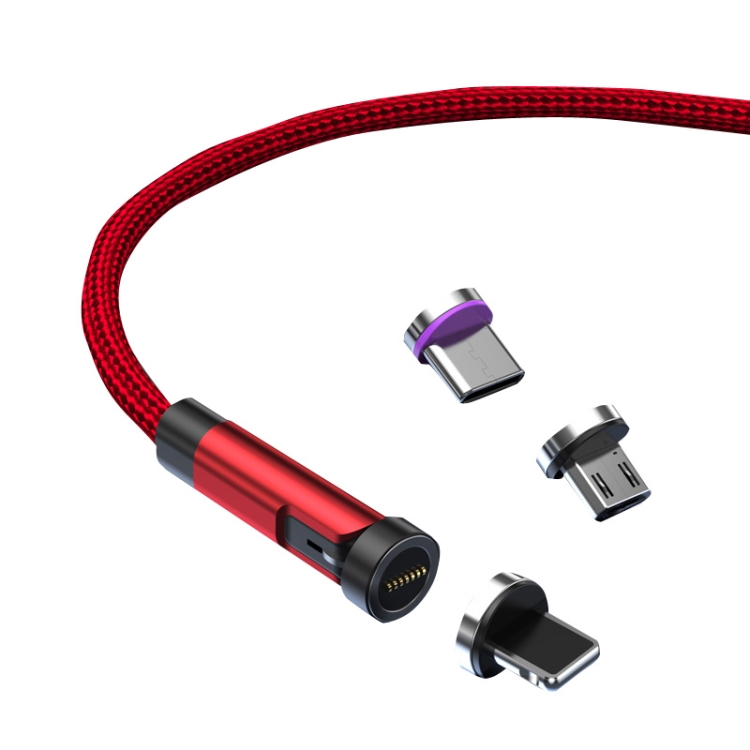
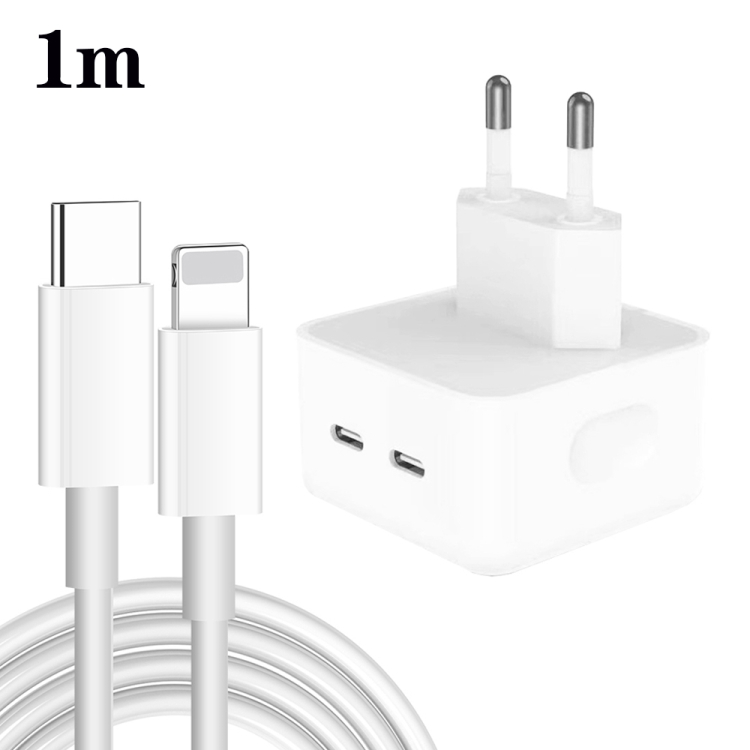
Construction Quality
- Strain relief: Prevents connector damage
- Connector housing: Protects internal components
- Wire gauge: Thicker wires last longer
- Soldering quality: Secure connections
Material Durability
- Braided nylon: Most durable
- TPE rubber: Good flexibility and durability
- PVC plastic: Basic durability
Connector Durability
- Metal housings stronger than plastic
- Reinforced strain relief essential
- Quality pins resist wear
- Proper fit prevents damage
Usage Impact
- Frequent plugging/unplugging wears connectors
- Bending near connectors causes damage
- Heavy use requires better cables
- Travel use needs durable cables
Signs of Wear
- Exposed wires
- Loose connectors
- Intermittent connections
- Slow charging or data transfer
Extending Cable Life
- Proper storage
- Gentle handling
- Avoid sharp bends
- Use cable protectors
Key Considerations
For choosing USB cables and accessories, keep these factors in mind:
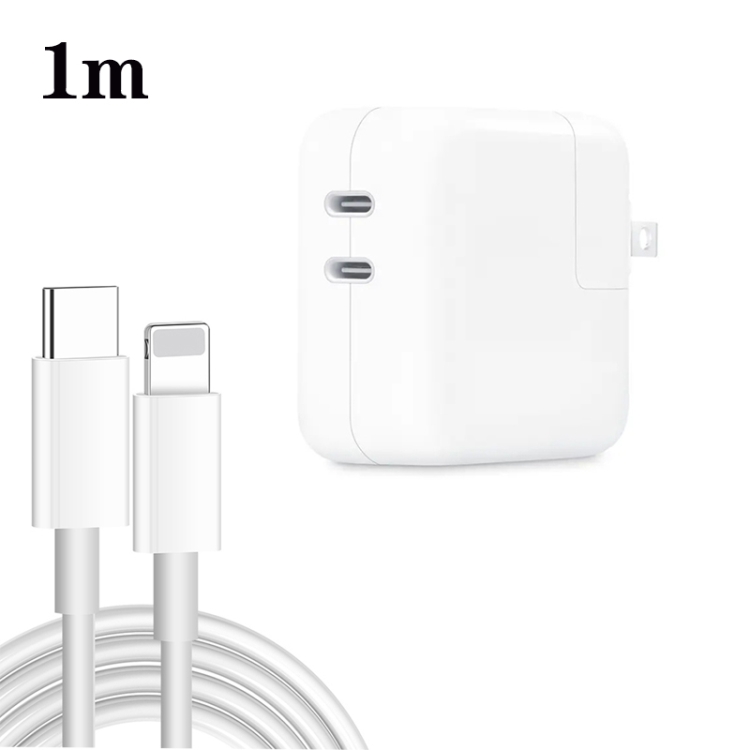
- Quality: Invest in certified cables for safety and performance
- Compatibility: Ensure the cable supports your device’s requirements
- Length: Choose appropriate length for your use case
- Speed: Consider data transfer speeds for your needs
- Power: Check power delivery capabilities for fast charging
Best Practices
Follow these tips to get the most out of your USB cables:
- Avoid bending cables at sharp angles
- Store cables properly when not in use
- Use cable organizers to prevent tangling
- Replace damaged cables immediately
- Choose reputable brands for reliability
Common Mistakes to Avoid
Watch out for these common USB cable mistakes:
- Buying cheap, uncertified cables
- Ignoring cable specifications
- Using damaged cables
- Overloading cables with high-power devices
- Mixing up cable types and speeds
Future-Proofing Your Setup
Prepare for future technology with these tips:
- Choose USB-C cables with USB 3.2 or USB4 support
- Invest in cables with Power Delivery capability
- Consider Thunderbolt 3/4 compatible cables
- Look for cables with higher wattage ratings
- Buy from reputable manufacturers with warranties