USB-B Cable: Still Relevant in 2026?

What is USB-B?
USB-B is the square-shaped USB connector commonly found on printers, scanners, and other large peripherals. While it’s an older standard, USB-B remains relevant for specific applications.
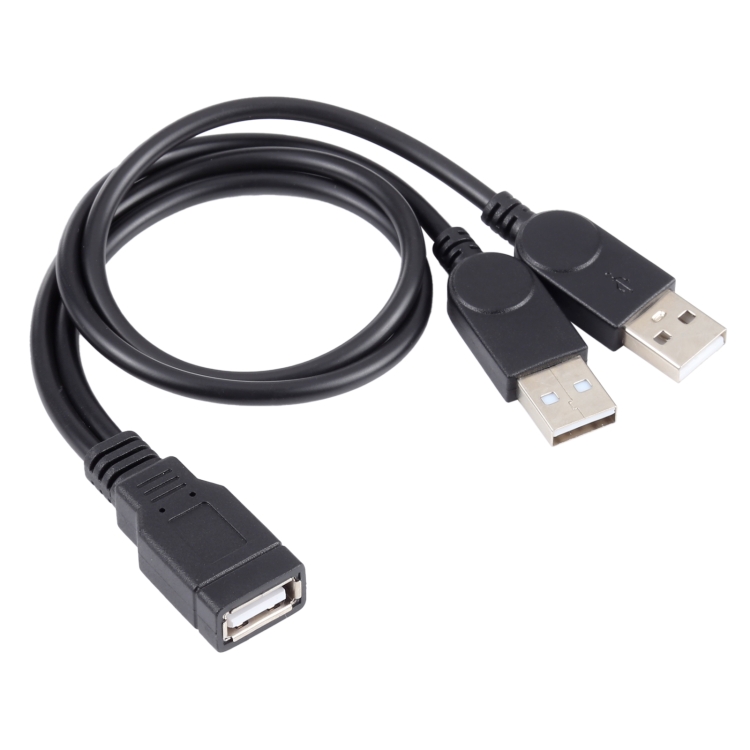
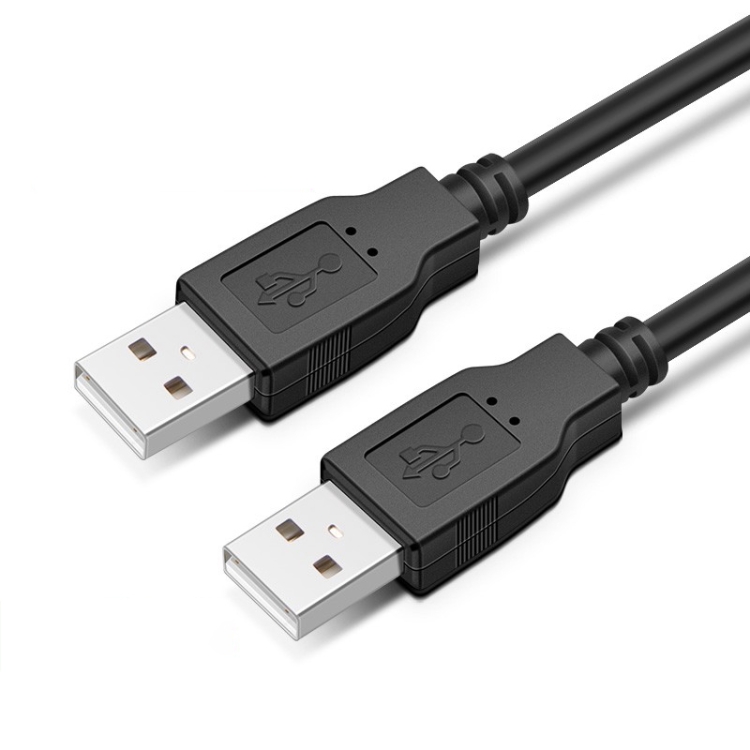
Types of USB-B Connectors
- USB-B: Standard square connector for printers and scanners
- Mini-B: Smaller version, mostly obsolete
- Micro-B: The small connector used on older Android phones
Common Uses for USB-B Cables
- Printers: Most printers still use USB-B connections
- Scanners: Document and photo scanners
- External Hard Drives: Some desktop drives use USB-B
- Audio Interfaces: Professional audio equipment
- Industrial Equipment: Many industrial devices use USB-B
USB-B Speed Standards
USB-B cables support various speeds:
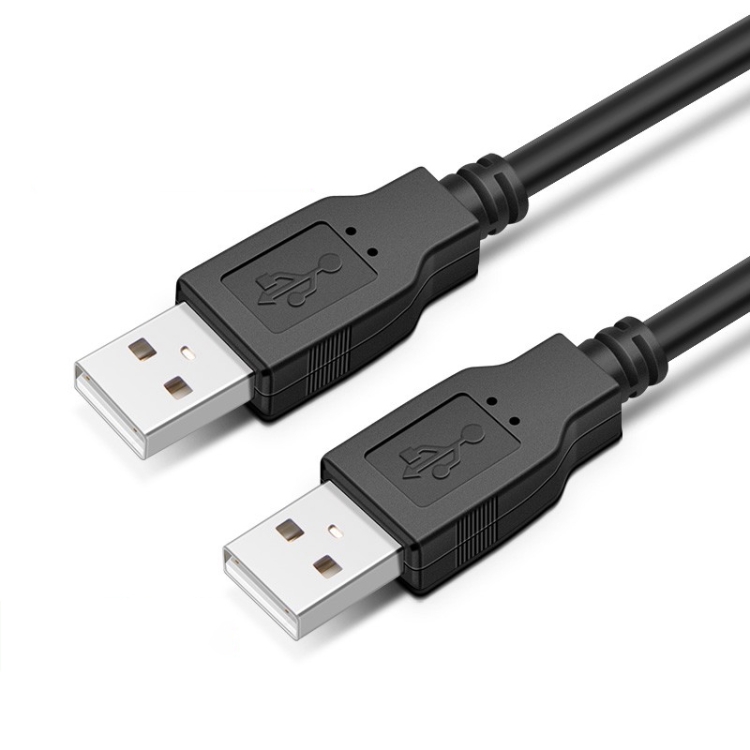
- USB 1.1: 12Mbps – Very old devices
- USB 2.0: 480Mbps – Most common for printers
- USB 3.0: 5Gbps – High-speed external drives
USB-B vs USB-C
Why hasn’t USB-B been fully replaced?
- Industrial equipment has long lifecycles
- USB-B is strong and reliable
- Backward compatibility requirements
- Cost of redesigning devices
Choosing a USB-B Cable
- Check your device’s USB version
- Match cable speed to device capability
- Choose appropriate length
- Consider cable quality for reliability
Future of USB-B
USB-B will likely remain in use for:
- Industrial applications
- Professional audio equipment
- Legacy printer support