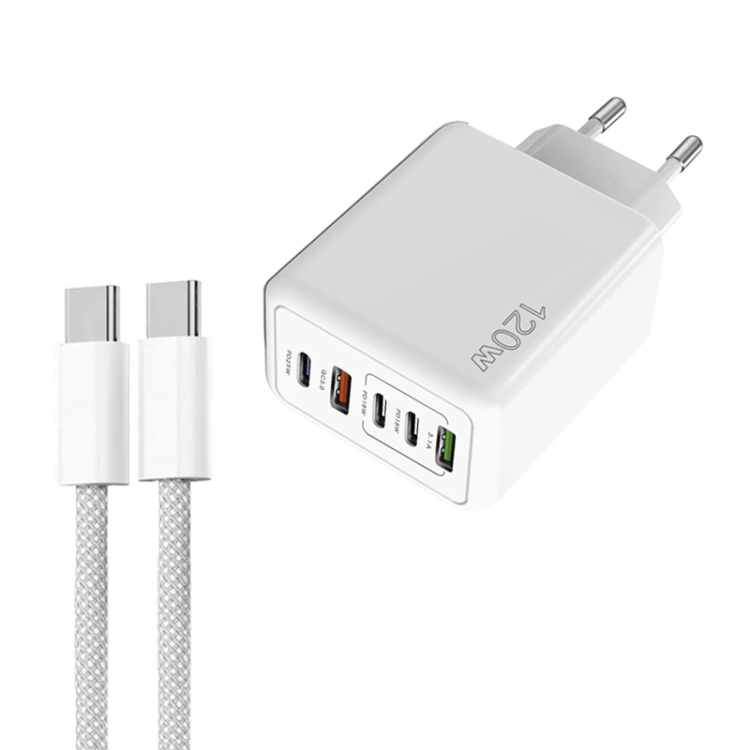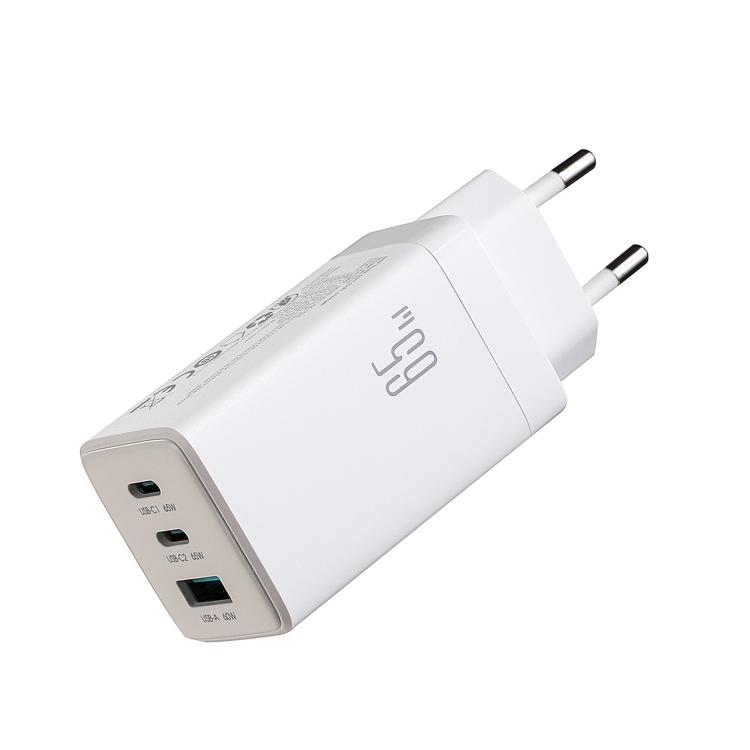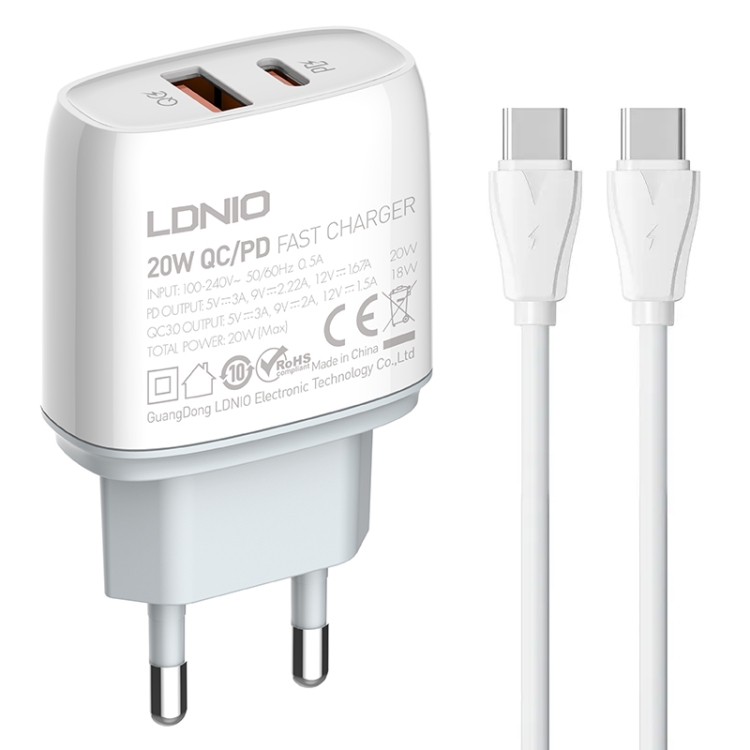
USB Charger Safety: What You Need to Know

The Importance of Charger Safety
USB chargers are essential daily accessories, but safety should never be overlooked. Poor quality chargers can damage devices, cause fires, or even electrocute users. Understanding charger safety protects you and your devices.
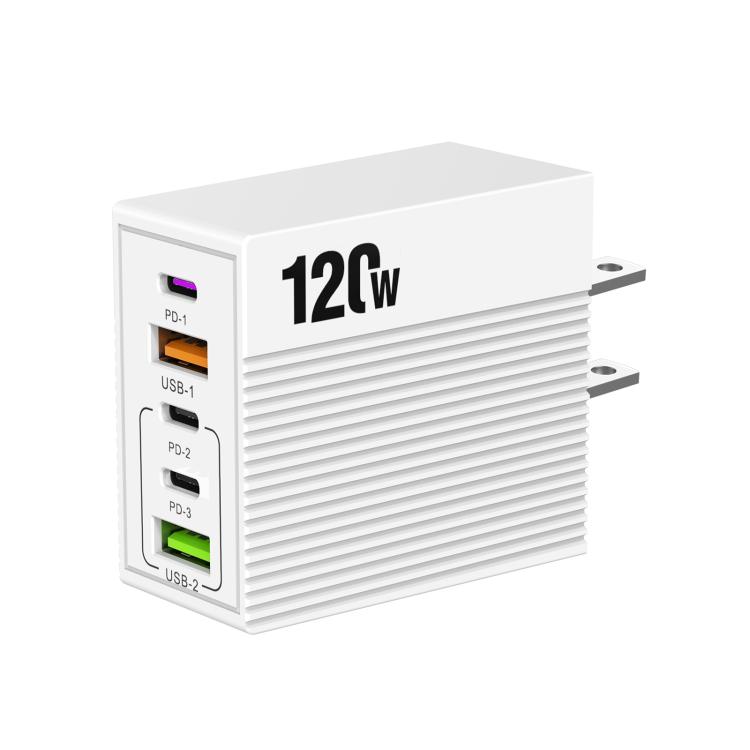
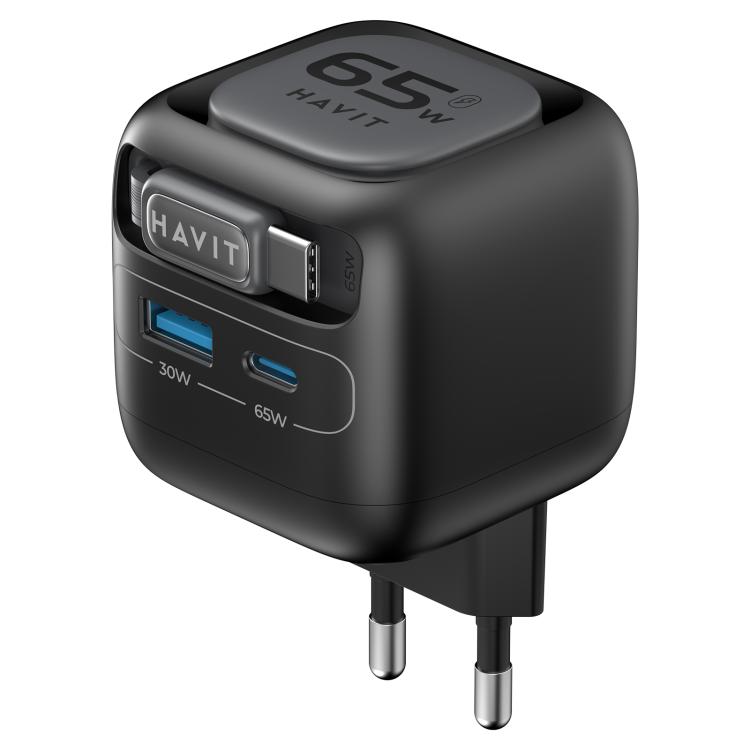
Safety Certifications to Look For
Quality chargers carry safety certifications:
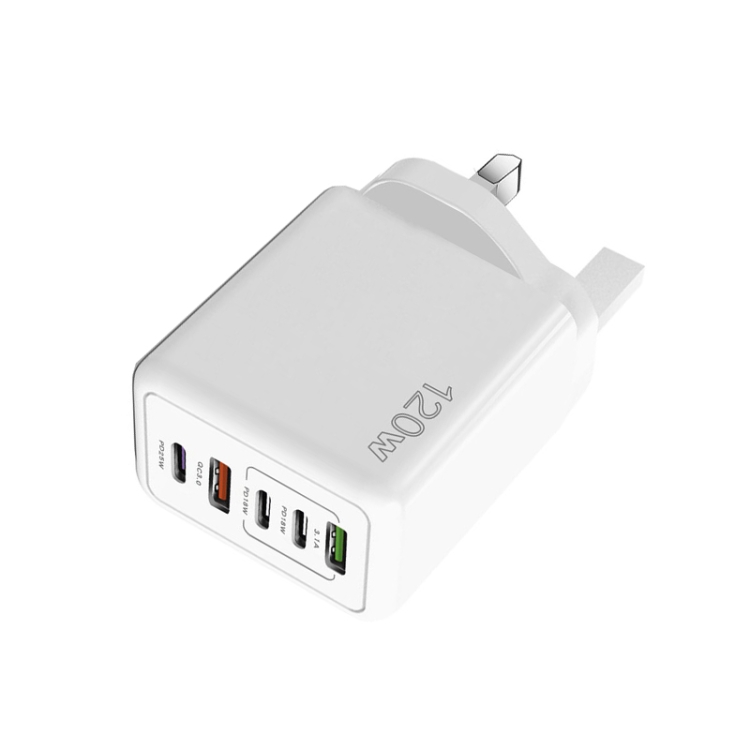
- UL (Underwriters Laboratories): US safety standard
- CE: European safety compliance
- FCC: Federal Communications Commission approval
- RoHS: Restriction of Hazardous Substances
- USB-IF: USB Implementers Forum certification
Built-in Safety Features
Quality chargers include multiple protections:
- Over-voltage protection: Prevents voltage spikes
- Over-current protection: Limits current flow
- Short-circuit protection: Cuts power if short detected
- Temperature control: Prevents overheating
- Surge protection: Protects against power surges
Warning Signs of Unsafe Chargers
- Gets unusually hot during use
- Makes buzzing or crackling sounds
- Smells like burning plastic
- Loose or wobbly plugs
- Cracked or damaged casing
Safe Charging Practices
- Don’t cover chargers while in use
- Avoid charging under pillows or bedding
- Unplug chargers when not in use
- Don’t use damaged cables or chargers
- Keep chargers away from water
Counterfeit Charger Risks
Fake chargers often lack safety features:
- Poor internal construction
- Missing safety components
- Inadequate insulation
- Incorrect voltage output
Travel Safety
- Use travel adapters with built-in safety features
- Check voltage compatibility (110V vs 220V)
- Choose chargers with international certifications