USB Charger Safety: What Makes a Charger Safe vs Dangerous

Not all Chargers are the same
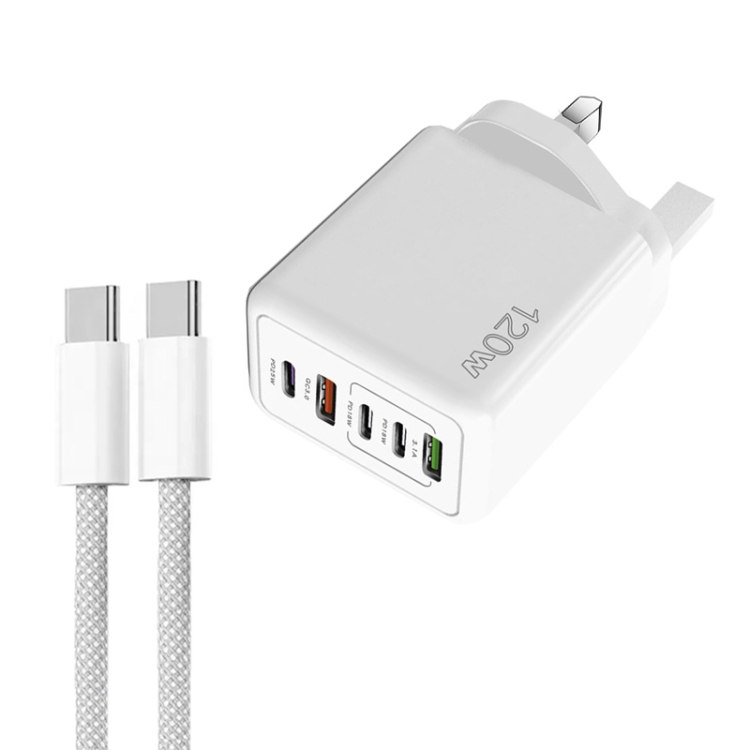
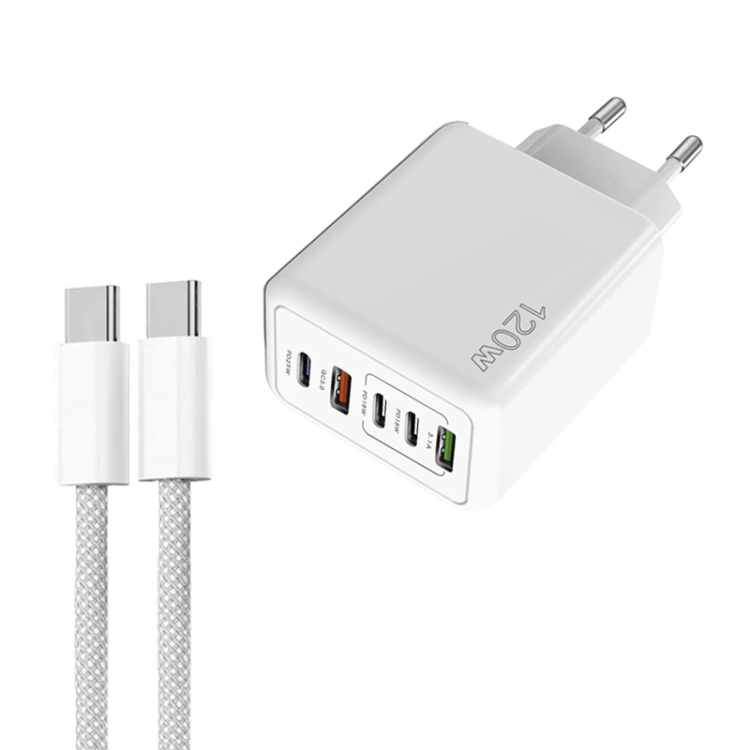
A $5 gas station charger and a $30 GaN charger both plug into the wall and charge your phone. But inside, they’re dramatically different. Cheap chargers cut corners on safety components, insulation, and quality control — creating risks of fire, device damage, and even electric shock.
At USBToUSB, all our chargers meet safety standards. This guide explains what makes a charger safe and what red flags to watch for.
Essential Safety Features in Quality Chargers
1. Overcurrent Protection (OCP)
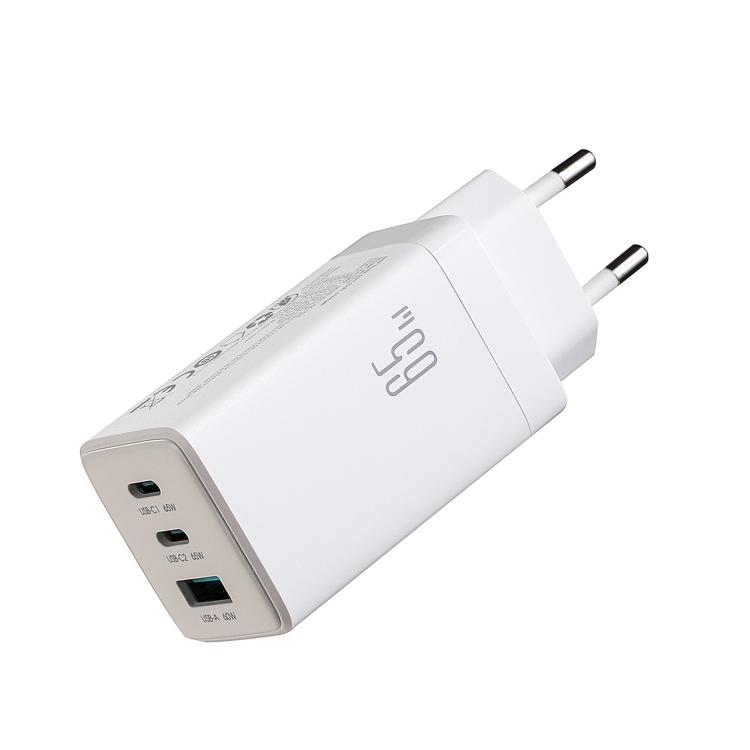
Prevents excessive current from flowing to the connected device. If a device malfunctions and draws too much current, OCP shuts down the charger before damage occurs. Quality chargers like our TE-PD65 GaN include OCP on every port.
2. Overvoltage Protection (OVP)
Prevents the charger from outputting voltage higher than the device can handle. If the charger’s voltage regulation fails, OVP clamps the output to a safe level. Without OVP, a failed charger could send 20V to a phone expecting 5V — instantly destroying the phone.
3. Short-Circuit Protection (SCP)
Detects short circuits in the output and immediately cuts power. Without SCP, a shorted cable could cause the charger to overheat and potentially catch fire.
4. Over-Temperature Protection (OTP)
Monitors the charger’s internal temperature and reduces power or shuts down if it exceeds safe limits. OTP prevents thermal runaway — the chain reaction where heat causes more current flow, which causes more heat. All our GaN chargers include OTP.
5. Surge Protection
Protects against voltage spikes from the AC power line (lightning, grid switching, appliance cycling). Surge protection absorbs excess voltage before it reaches your devices.
6. Input Voltage Range (100-240V)
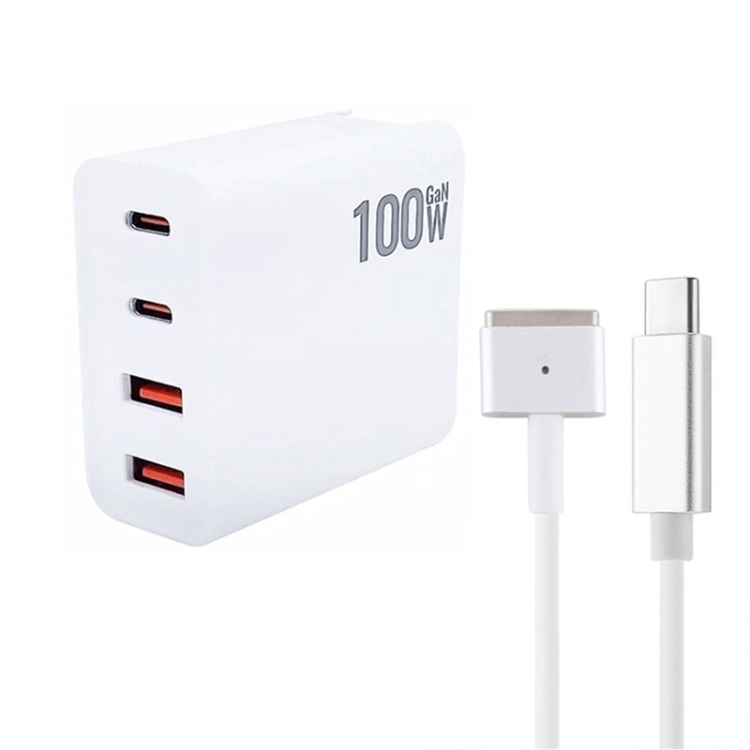
Quality chargers accept 100-240V input, making them safe worldwide. Chargers rated only for 220V will damaged on 110V (or won’t work at all). Chargers rated only for 110V will destroyed on 220V.
Dangerous Red Flags in Cheap Chargers
Missing or Fake Certifications
Legitimate chargers carry certifications like CE (Europe), FCC (US), RoHS, and UL. Fake chargers often display counterfeit certification marks. Verify certifications by checking the manufacturer’s website or the certification body’s database.
Extremely Light Weight
Quality chargers contain transformers, inductors, and capacitors that have meaningful weight. A charger that feels suspiciously light is likely missing safety components — the manufacturer has removed parts to save cost.
No Brand Name or Model Number
Anonymous chargers with no manufacturer name, model number, or specifications are safety risks. If something goes wrong, there’s no accountability. Stick to branded chargers from reputable manufacturers.
Excessive Heat During Operation
All chargers generate some heat, but if the charger is too hot to touch (above 55°C on the surface), it’s likely poorly designed. Quality GaN chargers stay below 45°C under load. Our TE-PD65 GaN typically runs at 38-42°C.
Burning Smell or Discoloration
Any burning smell, melted plastic, or discoloration is an immediate red flag. Unplug the charger immediately and discontinue use. These are signs of component failure that can lead to fire.
Loose Connectors
USB ports that wiggling or don’t hold cables firmly indicate poor build quality. Loose connectors can cause arcing (electrical sparks) which is a fire hazard.
Safety Certifications to Look For
| Certification | Region | What It Means |
|---|---|---|
| CE | Europe | Meets EU safety, health, and environmental requirements |
| FCC | USA | Meets FCC electromagnetic compatibility standards |
| UL | USA | Tested by Underwriters Laboratories for safety |
| RoHS | Global | No hazardous materials (lead, mercury, etc.) |
| CCC | China | China Compulsory Certification for safety |
| PSE | Japan | Japanese electrical safety certification |
How Our Chargers Ensure Safety
A3365 PD40W
Includes OCP, OVP, SCP, and OTP. Input voltage: 100-240V (worldwide safe). CE, FCC, and RoHS certified. The interchangeable plug design (US/EU/UK) ensures correct plug fit for each region.
TE-PD65 GaN
GaN construction inherently generates less heat. Includes all four safety protections (OCP, OVP, SCP, OTP). Full protocol compatibility ensures safe PD negotiation with all devices. QC4.0 certification guarantees compliance with Qualcomm safety standards.
JOYROOM JR-TG10 65W
Multi-port design includes per-port current limiting — each port independently protected. GaN construction for cooler operation. Smart power distribution prevents overload when multiple devices are connected.
150W 8-Port Station
Individual port fuses provide redundant protection. Each port has independent OCP. Active temperature monitoring with automatic throttle-back. The most complete safety suite of any charger we carry.
Safe Charging Practices
- Don’t charge under pillows or blankets: Chargers need airflow for cooling
- Don’t use damaged cables: Exposed wires can cause short circuits
- Unplug during thunderstorms: Lightning can cause voltage spikes that overwhelm surge protection
- Don’t daisy-chain adapters: Each adapter adds resistance and heat
- Use the correct voltage: Don’t plug a 110V-only charger into a 220V outlet
- Replace old chargers: Chargers degrade over time — replace after 3-5 years of heavy use
- Keep away from water: Even splash-resistant chargers should kept dry