USB Cable Storage Solutions: Keep Your Cables Organized

The Importance of Cable Organization
Proper cable storage extends cable life and reduces frustration. Organized cables are easier to find and use when needed.
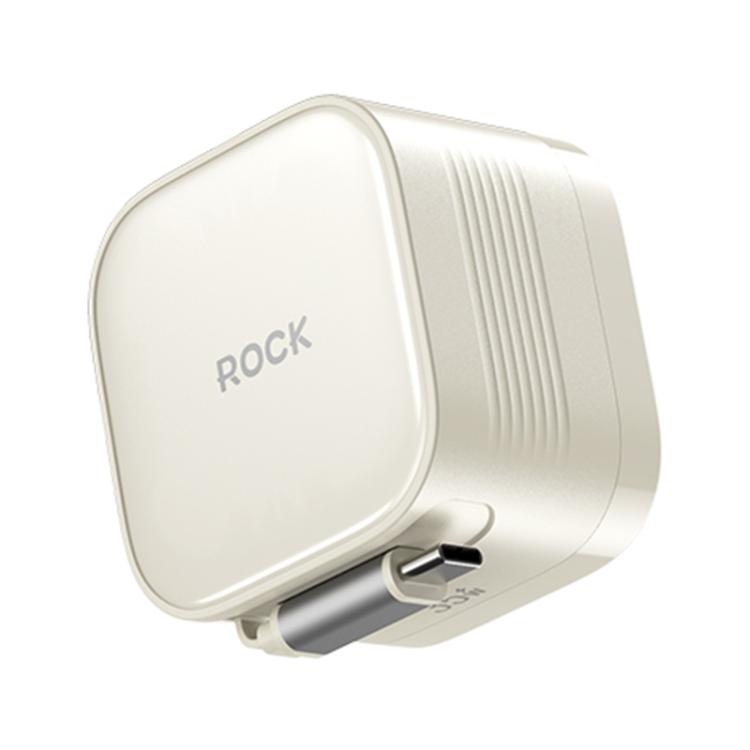
Storage Solutions
- Cable ties: Velcro or hook-and-loop straps
- Cable clips: Keep cables in place
- Cable boxes: Hide and organize cables
- Cable sleeves: Bundle multiple cables
- Drawer organizers: Separate and protect cables
Proper Coiling Technique
- Use over-under method
- Avoid tight wrapping
- Don’t kink cables
- Leave some slack
Labeling Cables
- Use cable labels or tags
- Color-coded ties
- Masking tape with labels
- Helps identify cables quickly
Travel Storage
- Cable organizers with pockets
- Toiletry bags work well
- Keep cables separate from devices
- Use cable ties for each cable
Avoid These Mistakes
- Don’t knot cables
- Avoid sharp bends
- Don’t wrap tightly around devices
- Keep away from heat sources
Key Considerations
For choosing USB cables and accessories, keep these factors in mind:
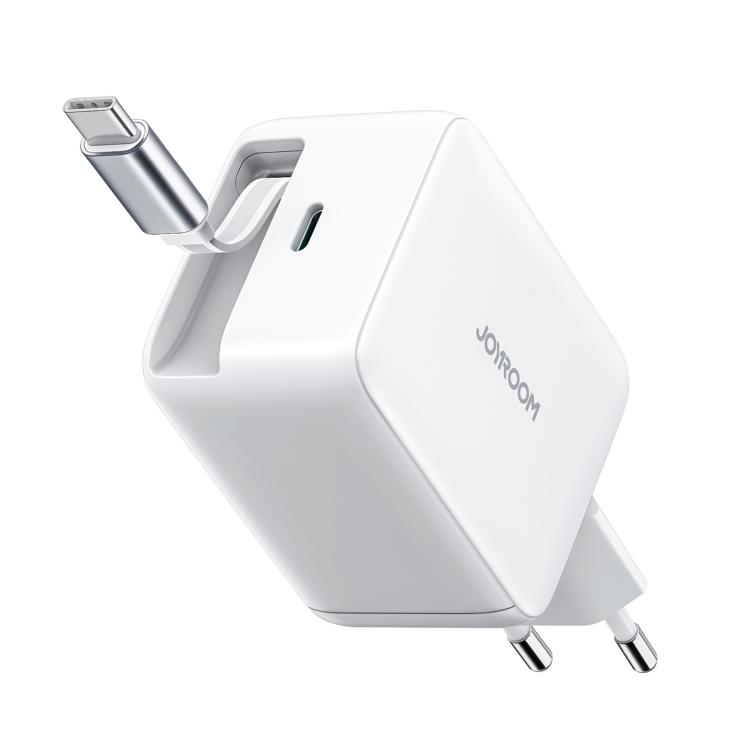
- Quality: Invest in certified cables for safety and performance
- Compatibility: Ensure the cable supports your device’s requirements
- Length: Choose appropriate length for your use case
- Speed: Consider data transfer speeds for your needs
- Power: Check power delivery capabilities for fast charging
Best Practices
Follow these tips to get the most out of your USB cables:
- Avoid bending cables at sharp angles
- Store cables properly when not in use
- Use cable organizers to prevent tangling
- Replace damaged cables immediately
- Choose reputable brands for reliability
Common Mistakes to Avoid
Watch out for these common USB cable mistakes:
- Buying cheap, uncertified cables
- Ignoring cable specifications
- Using damaged cables
- Overloading cables with high-power devices
- Mixing up cable types and speeds
Future-Proofing Your Setup
Prepare for future technology with these tips:
- Choose USB-C cables with USB 3.2 or USB4 support
- Invest in cables with Power Delivery capability
- Consider Thunderbolt 3/4 compatible cables
- Look for cables with higher wattage ratings
- Buy from reputable manufacturers with warranties