USB Cable Shielding: Why It Matters for Data Integrity

What is USB Cable Shielding?
USB cable shielding is a protective layer that surrounds the internal wires. It prevents electromagnetic interference (EMI) and radio frequency interference (RFI) from affecting data transmission.
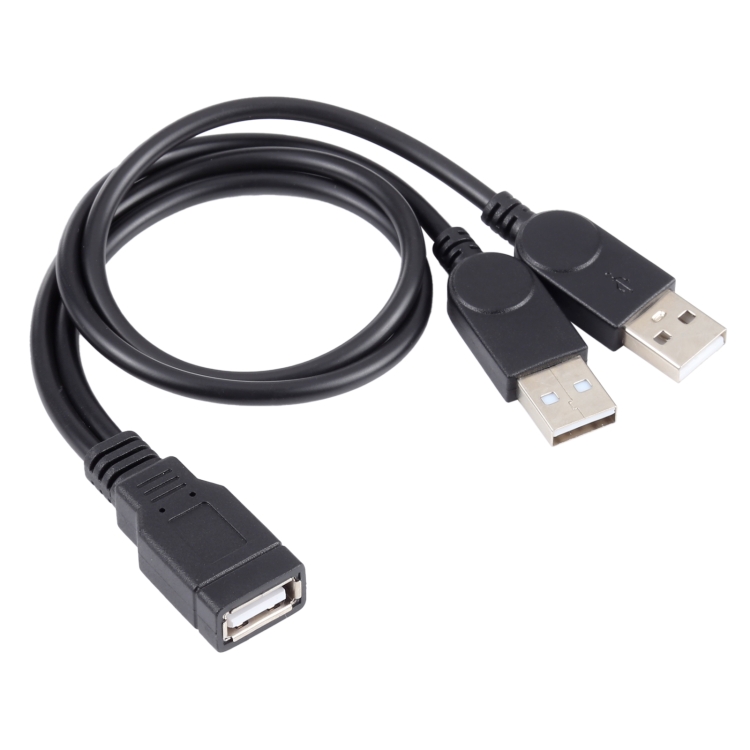
Types of Shielding
- Foil shielding: Thin aluminum layer, good for EMI
- Braided shielding: Copper mesh, better flexibility
- Combination: Both foil and braid for maximum protection
Why Shielding Matters
- Data integrity: Prevents corruption during transfer
- Signal quality: Maintains clear transmission
- Speed stability: Consistent high-speed performance
- Interference protection: Works near other electronics
Signs of Poor Shielding
- Slow data transfer speeds
- Data corruption or errors
- Connection drops
- Interference from nearby devices
When Shielding is Critical
- High-speed data: USB 3.0 and above
- Long cables: More susceptible to interference
- Industrial environments: High EMI areas
- Medical devices: Critical data integrity
Choosing Quality Shielded Cables
- Look for shielding specifications
- Choose reputable brands
- Check for USB-IF certification
- Avoid ultra-cheap cables
Shielding and Charging
Shielding also affects charging:
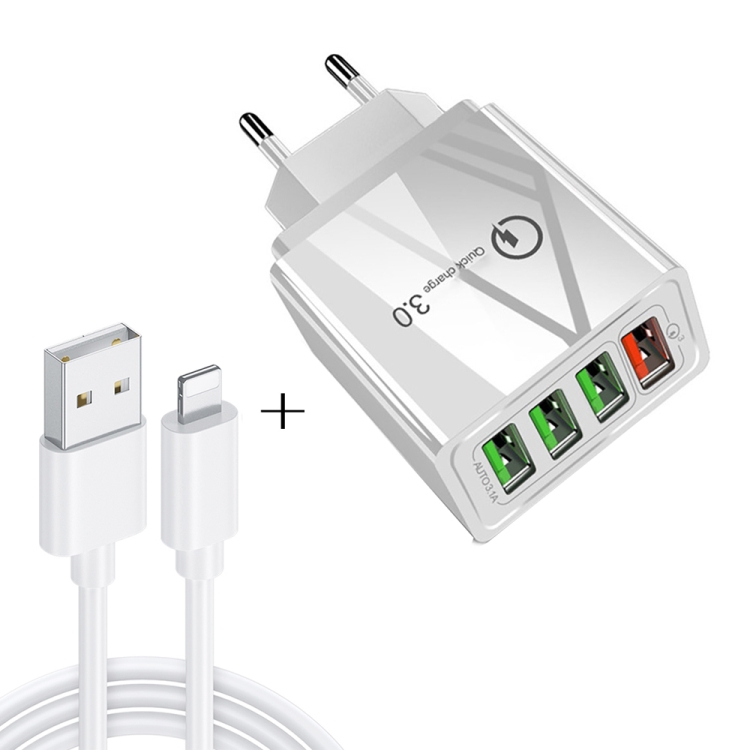
- Better power delivery consistency
- Reduced electrical noise
- Safer operation