USB Cable Materials: Braided vs Rubber vs Plastic

Cable Material Matters
The material of your USB cable affects durability, flexibility, and longevity. Understanding the differences helps you choose the right cable for your needs.
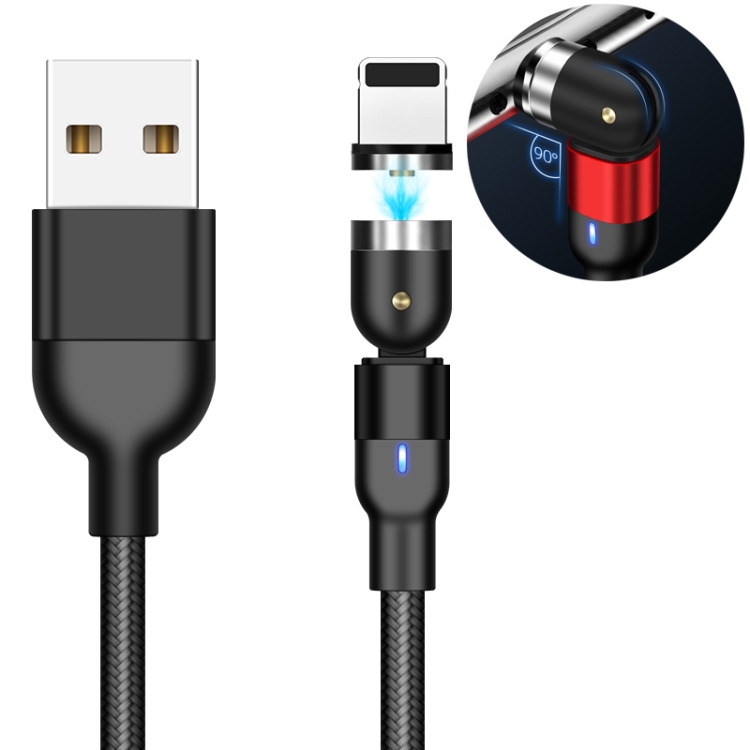
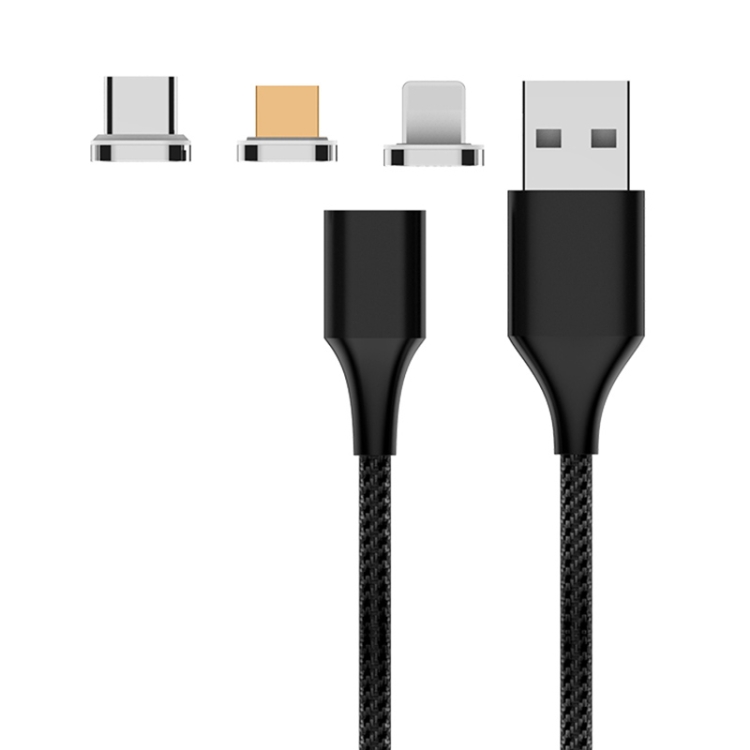
Braided Cables
Advantages:
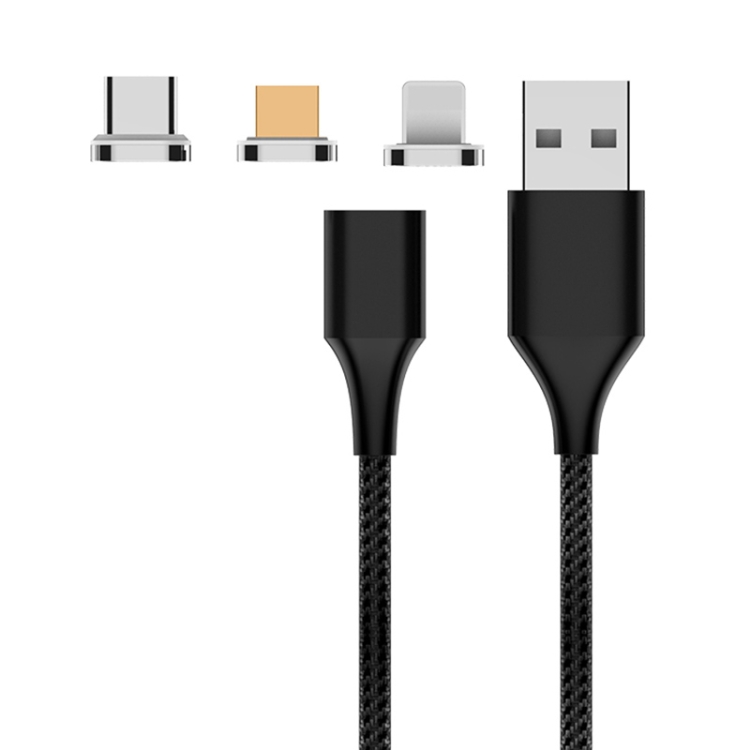
- Superior durability and strength
- Resistant to tangling
- Premium look and feel
- Better heat dissipation
- Longer lifespan
Disadvantages:
- Higher cost
- Can be stiffer
- May fray over time
Rubber Cables
Advantages:
- Flexible and pliable
- Good durability
- Reasonable cost
- Comfortable to handle
Disadvantages:
- Can become sticky over time
- May crack with age
- Prone to tangling
Plastic/PVC Cables
Advantages:
- Lowest cost
- Lightweight
- Smooth surface
Disadvantages:
- Least durable
- Prone to cracking
- Tangles easily
- Can feel cheap
Choosing the Right Material
- Heavy daily use: Choose braided cables
- Travel: Braided or quality rubber
- Budget option: Quality rubber cables
- Temporary use: Plastic acceptable
Connector Quality
Don’t forget connector construction:
- Reinforced strain relief
- Metal or quality plastic housing
- Secure connector attachment