USB Cable Length: Does It Affect Charging Speed?

The Impact of Cable Length on Performance
Many people wonder if USB cable length affects charging speed and data transfer. The short answer is yes, but the extent depends on several factors.
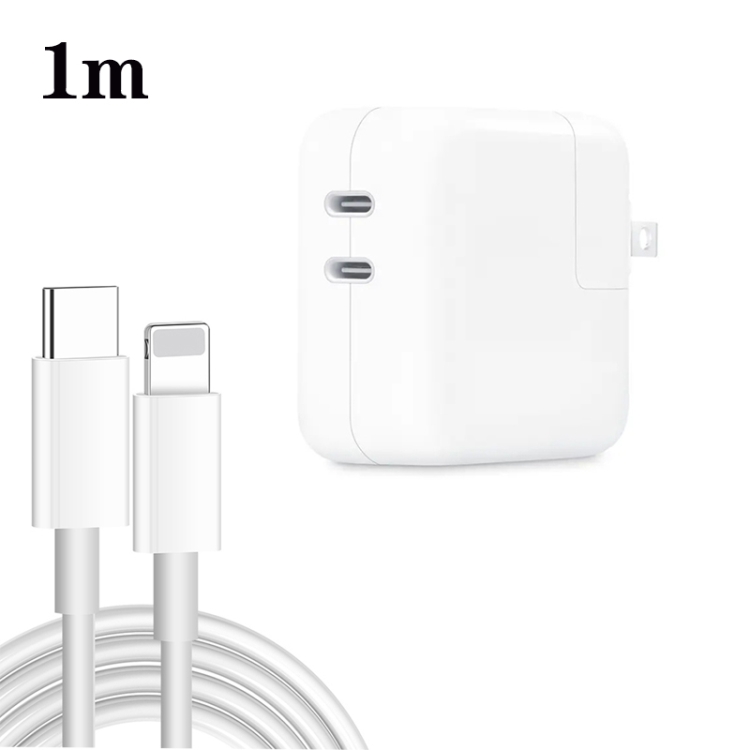
How Cable Length Affects Charging
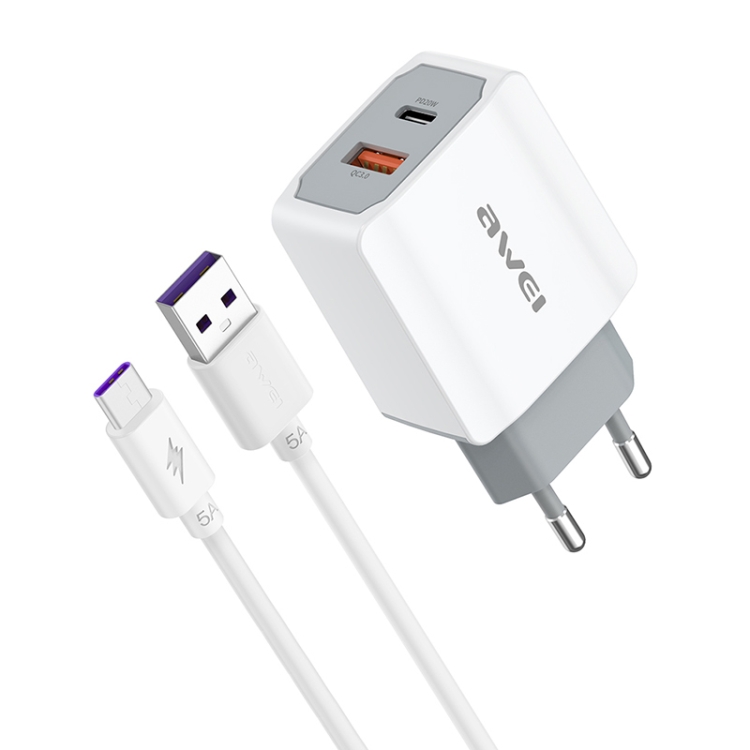
Longer cables have more electrical resistance, which can reduce charging speed:
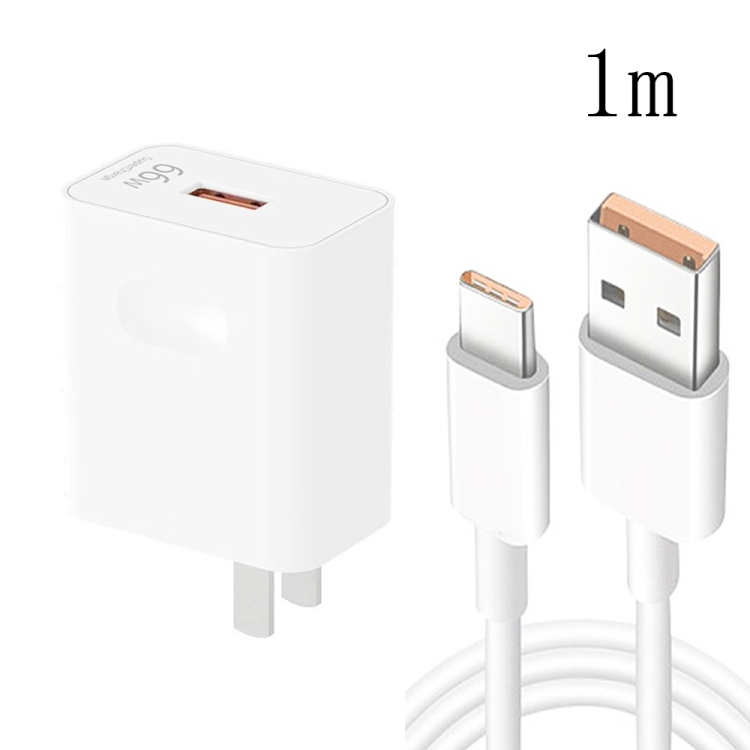
- Short cables (0.5m-1m): Minimal resistance, optimal charging
- Medium cables (1.5m-2m): Slight resistance, still good performance
- Long cables (3m+): Noticeable resistance, may slow charging
Data Transfer Speed Impact
For data transfer, cable length has a more significant impact:
- USB 2.0: Maximum reliable length is 5 meters
- USB 3.0: Maximum reliable length is 3 meters
- USB 3.1/3.2: Maximum reliable length is 1-2 meters
USB-C and Power Delivery
For USB-C cables with Power Delivery:
- Standard cables are typically 1m or 2m
- Longer cables may not support full 100W PD
- Active cables can extend length without performance loss
Choosing the Right Length
Select cable length based on your use case:
- Desktop use: 1-2m is ideal
- Bedside charging: 2m provides flexibility
- Travel: 0.5-1m for portability
- Car charging: 1-1.5m works well
Active vs Passive Cables
- Passive cables: Standard cables, length limited by physics
- Active cables: Include signal boosters, can be longer without performance loss