USB Cable Impedance: Understanding Signal Quality

What is Cable Impedance?
Impedance is the resistance to electrical flow in a cable. For USB cables, proper impedance ensures signal integrity and data transfer quality.
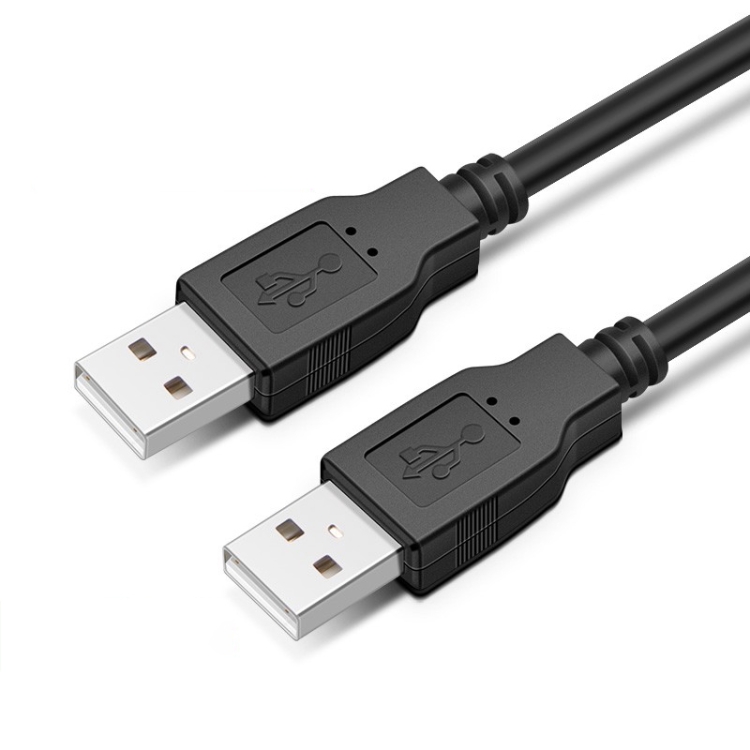
USB Cable Impedance Standards
- USB 2.0: 90 ohms differential impedance
- USB 3.0+: 90 ohms with tighter tolerances
- Proper impedance prevents signal reflection
Why Impedance Matters
- Signal quality: Clear data transmission
- Data integrity: No corruption or errors
- Speed stability: Consistent performance
- Compatibility: Works with all devices
Signs of Poor Impedance
- Data transfer errors
- Slow speeds
- Connection drops
- Device recognition issues
Quality Indicators
- Proper shielding
- Correct wire gauge
- Quality connectors
- Manufacturing precision
Choosing Quality Cables
- Buy from reputable brands
- Look for certifications
- Avoid ultra-cheap cables
- Check specifications
Key Considerations
For choosing USB cables and accessories, keep these factors in mind:
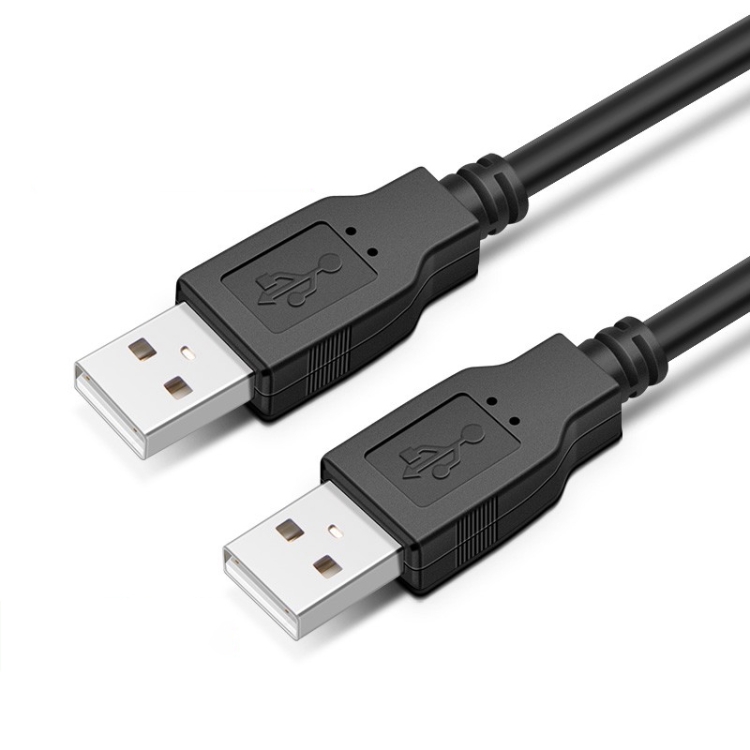
- Quality: Invest in certified cables for safety and performance
- Compatibility: Ensure the cable supports your device’s requirements
- Length: Choose appropriate length for your use case
- Speed: Consider data transfer speeds for your needs
- Power: Check power delivery capabilities for fast charging
Best Practices
Follow these tips to get the most out of your USB cables:
- Avoid bending cables at sharp angles
- Store cables properly when not in use
- Use cable organizers to prevent tangling
- Replace damaged cables immediately
- Choose reputable brands for reliability
Common Mistakes to Avoid
Watch out for these common USB cable mistakes:
- Buying cheap, uncertified cables
- Ignoring cable specifications
- Using damaged cables
- Overloading cables with high-power devices
- Mixing up cable types and speeds
Future-Proofing Your Setup
Prepare for future technology with these tips:
- Choose USB-C cables with USB 3.2 or USB4 support
- Invest in cables with Power Delivery capability
- Consider Thunderbolt 3/4 compatible cables
- Look for cables with higher wattage ratings
- Buy from reputable manufacturers with warranties