USB Cable for Car Charging: What You Need to Know

Car USB Charging Basics
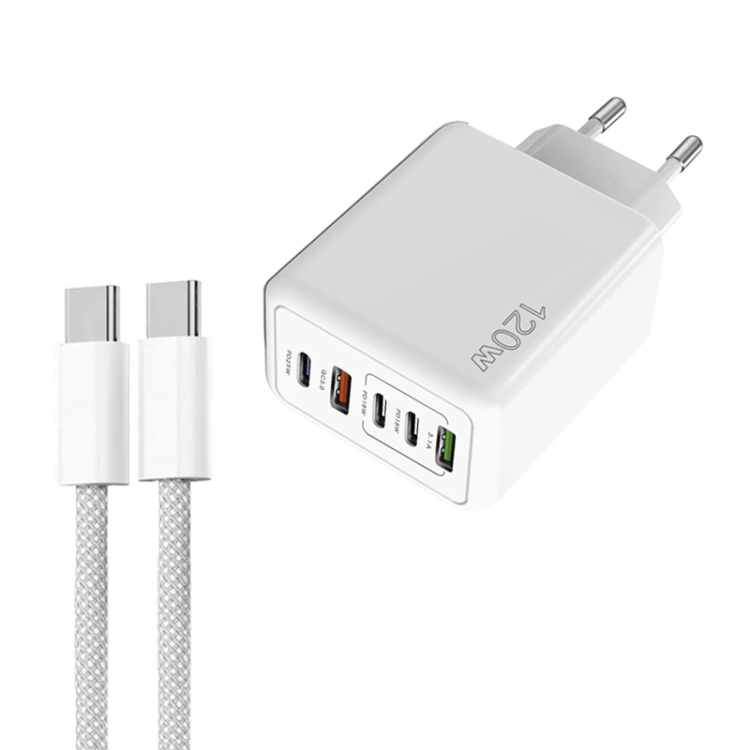
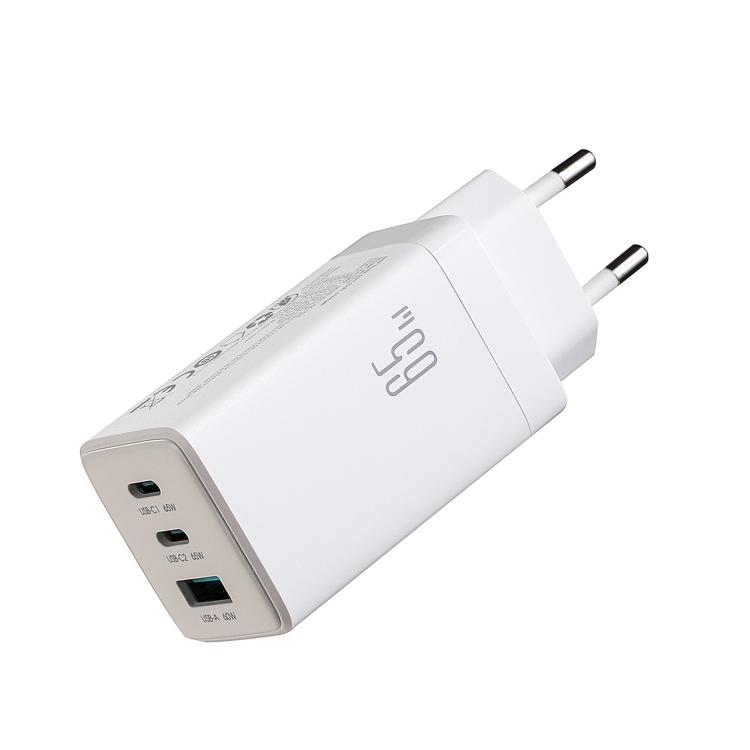
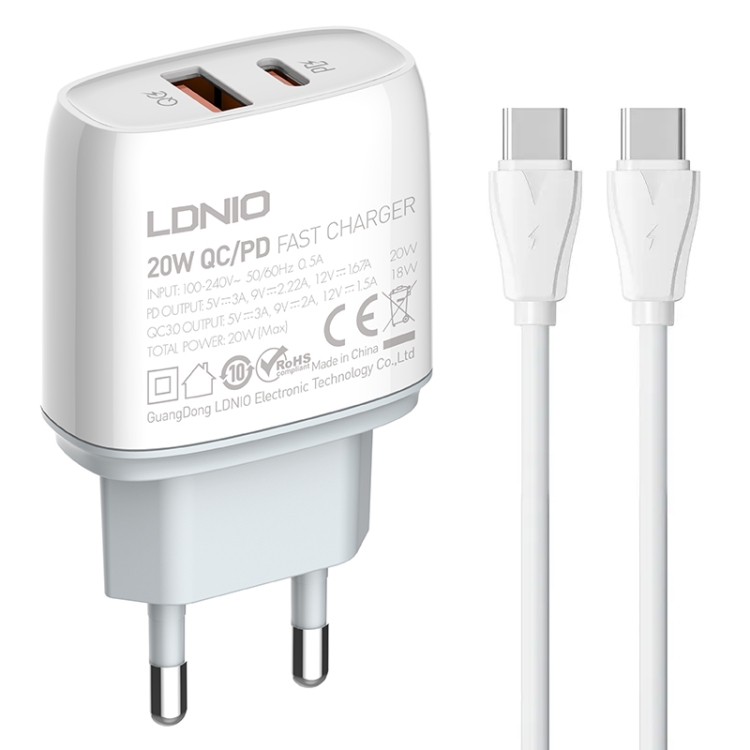
Charging devices in your car requires the right USB cable and car charger. Understanding car charging ensures your devices stay powered on the road.
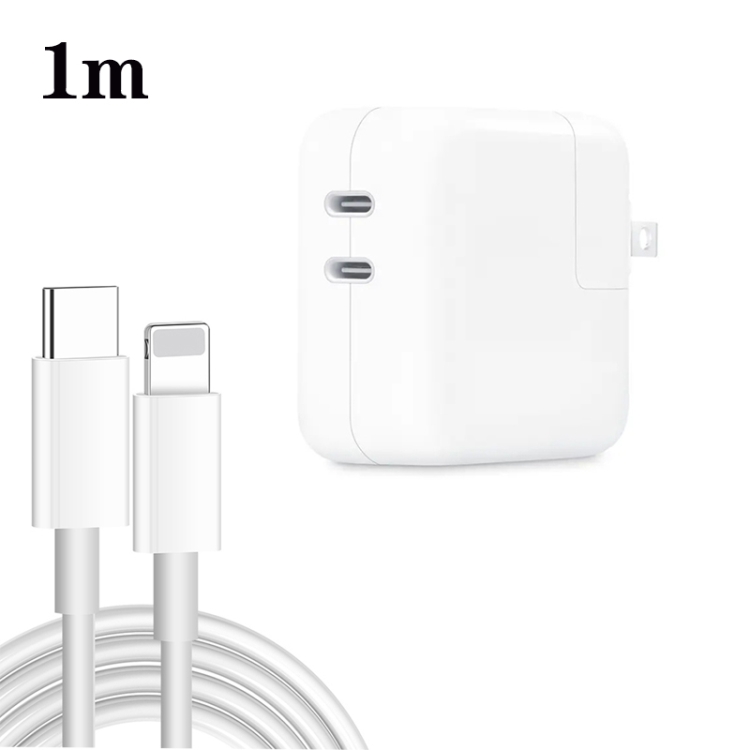
Car Charger Types
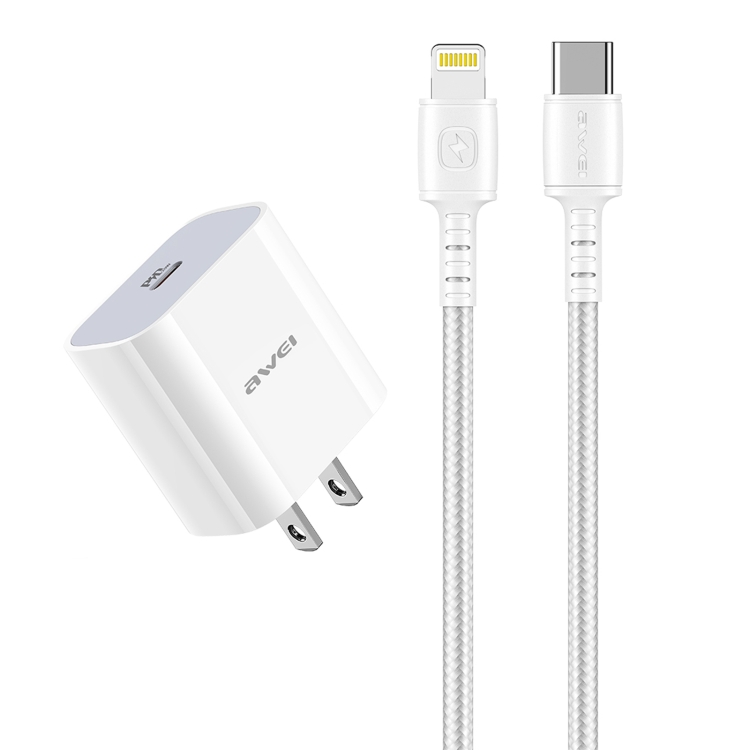
- USB-A car chargers: Traditional, widely compatible
- USB-C car chargers: Modern, supports fast charging
- Multi-port chargers: Charge multiple devices
Power Output
- Basic chargers: 5W-10W
- Fast chargers: 18W-30W
- High-power: 65W+ for laptops
Cable Considerations
- Choose appropriate length (1-1.5m)
- Durable construction for car use
- Match cable to charger type
- Consider braided cables for durability
Fast Charging in Cars
- Look for USB-C PD car chargers
- Ensure cable supports fast charging
- Check device compatibility
Safety Tips
- Don’t leave devices charging unattended
- Unplug when not in use
- Check for secure connection
- Avoid overloading car’s electrical system
Key Considerations
For choosing USB cables and accessories, keep these factors in mind:
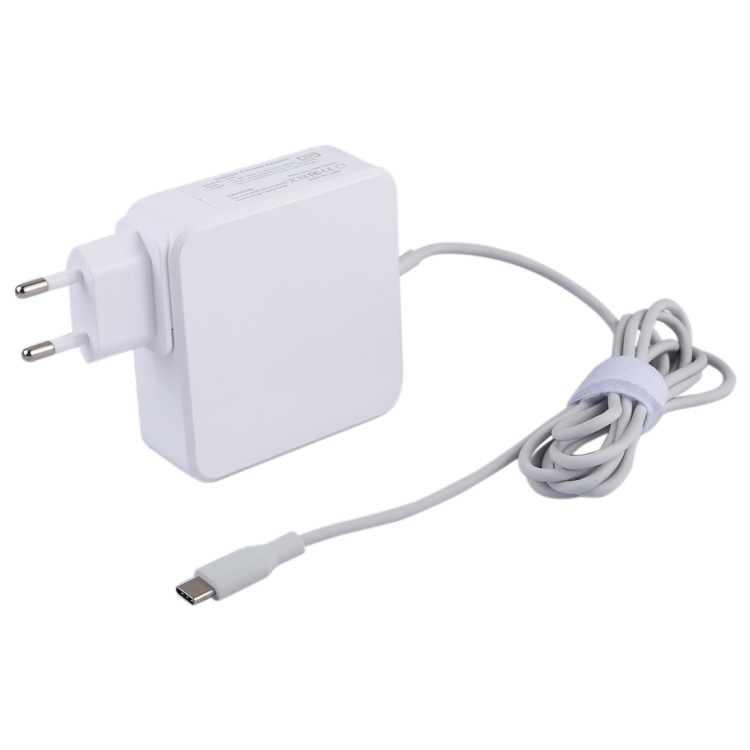
- Quality: Invest in certified cables for safety and performance
- Compatibility: Ensure the cable supports your device’s requirements
- Length: Choose appropriate length for your use case
- Speed: Consider data transfer speeds for your needs
- Power: Check power delivery capabilities for fast charging
Best Practices
Follow these tips to get the most out of your USB cables:
- Avoid bending cables at sharp angles
- Store cables properly when not in use
- Use cable organizers to prevent tangling
- Replace damaged cables immediately
- Choose reputable brands for reliability
Common Mistakes to Avoid
Watch out for these common USB cable mistakes:
- Buying cheap, uncertified cables
- Ignoring cable specifications
- Using damaged cables
- Overloading cables with high-power devices
- Mixing up cable types and speeds
Future-Proofing Your Setup
Prepare for future technology with these tips:
- Choose USB-C cables with USB 3.2 or USB4 support
- Invest in cables with Power Delivery capability
- Consider Thunderbolt 3/4 compatible cables
- Look for cables with higher wattage ratings
- Buy from reputable manufacturers with warranties