USB-A to USB-C Cable: Everything You Need to Know

The Bridge Between Old and New
USB-A to USB-C cables serve as the essential bridge between legacy USB-A ports and modern USB-C devices. As technology transitions to USB-C, these cables remain crucial for connecting newer devices to older computers and chargers.
What is USB-A to USB-C?
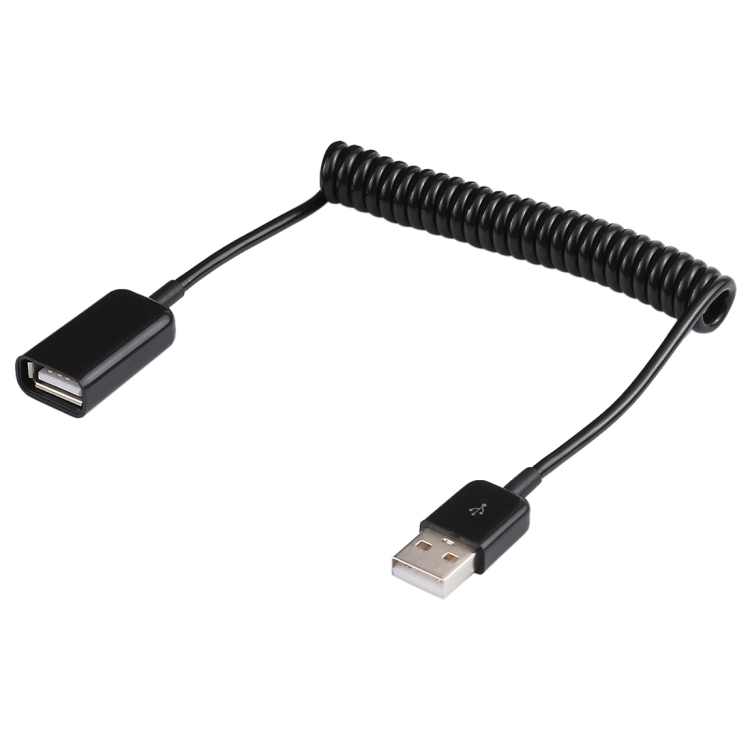
A USB-A to USB-C cable features:
- USB-A connector: The traditional rectangular USB plug
- USB-C connector: The newer, smaller, reversible connector
- Various speeds: From USB 2.0 to USB 3.2
Common Uses
These cables are perfect for:
- Connecting USB-C smartphones to older computers
- Charging USB-C devices from standard USB-A chargers
- Transferring data between legacy and modern devices
- Using USB-C peripherals with older laptops
Speed Variations
USB-A to USB-C cables come in different speed ratings:
- USB 2.0: 480Mbps – Basic charging and data transfer
- USB 3.0: 5Gbps – Fast file transfers
- USB 3.1: 10Gbps – High-speed data transfer
Charging Capabilities
While USB-A to USB-C cables can charge devices, they have limitations:
- Maximum power typically limited to 15W (5V/3A)
- Cannot support full USB Power Delivery (PD) speeds
- Suitable for smartphones and tablets, not laptops