The EU Common Charger Law Explained:

Regulations about EU common charger aren’t just legal text — they directly change what you can buy, what comes in the box, and whether your existing accessories will keep working. Most coverage of these regulations reads like a press release. This guide explains what actually happens to your wallet and your cable drawer.
EU regulation consumer impact.
What the Regulation Says (In Plain English)
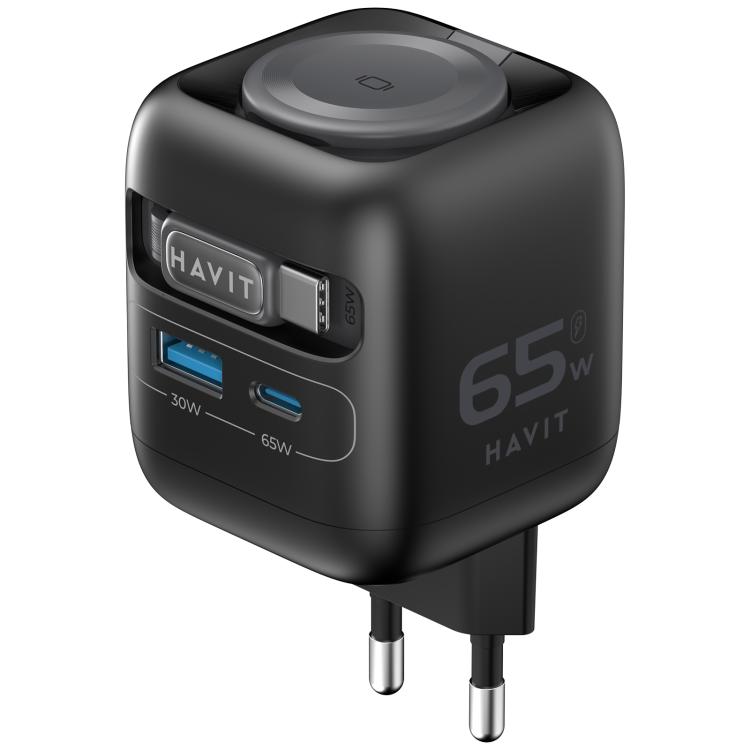
The core requirement is straightforward: devices sold in regulated markets must use USB-C as the charging port, and chargers must be sold separately from cables (detachable cable design). The goal is reducing e-waste by letting consumers reuse one charger across multiple devices.
Key dates and scope:
- December 2024 — Smartphones, tablets, cameras, headphones, portable speakers (already in effect)
- April 2026 — Laptops must include USB-C charging capability
- 2028 — Expanded scope to routers, monitors, game consoles, and external power supplies
What Changes for You
If You’re Buying a New Device
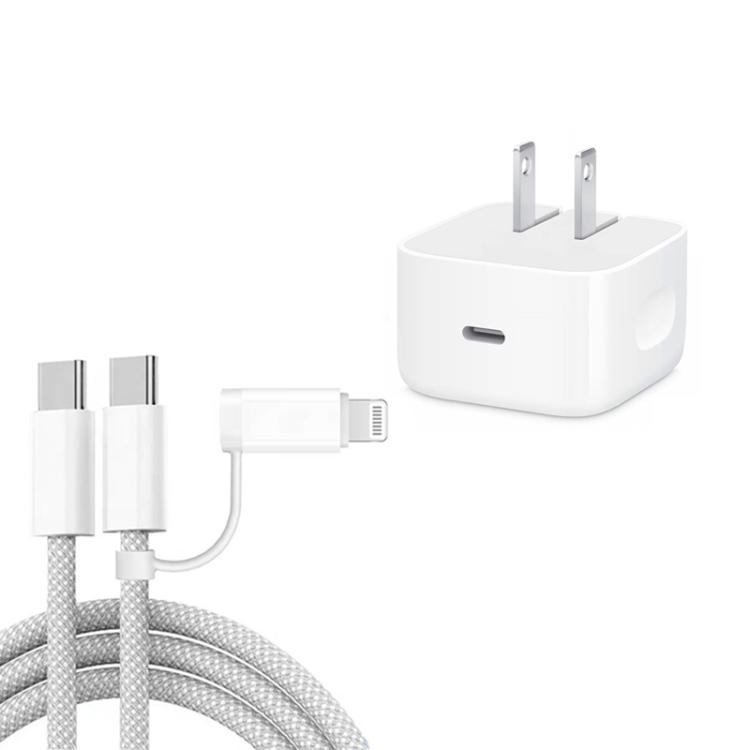
Every device covered by the regulation must charge via USB-C Power Delivery. This means:
- No more proprietary barrel connectors on laptops (Dell, HP, Lenovo are already transitioning)
- Fast charging protocols must use USB PD — proprietary standards like Samsung’s Super Fast Charging must comply with PD PPS
- Chargers must display the “Common Charger” logo and list maximum output wattage
If You’re Keeping Existing Devices
The regulation applies to new products sold after the deadline. Your existing devices with proprietary chargers are not affected. However, when your current charger dies, your replacement will be USB-C — and that’s a good thing, because you can use the same charger for your phone, tablet, and laptop.
The Hidden Gotcha: Cable Quality
The regulation mandates USB-C ports but doesn’t mandate cable quality. A USB 2.0 cable that came bundled with a device still meets the legal requirement — even though it only transfers data at 480 Mbps and can’t handle 100W charging. The regulation solved the connector problem. It didn’t solve the cable quality problem.
When you buy a new USB-C device, check what cable comes in the box. If it’s USB 2.0 only, you’ll need to buy a separate cable for fast data transfer or high-wattage charging.
Safety Certifications to Look For
| Certification | Region | What It Tests | How to Verify |
|---|---|---|---|
| USB-IF | Global | PD protocol compliance, signal integrity, current limiting | Logo on cable + USB-IF product database |
| UL Listed | US/Canada | Fire safety, electrical shock, component failure modes | UL mark on charger body |
| CE Marked | EU/EEA | EMC, safety per Low Voltage Directive | CE mark on product + Declaration of Conformity |
| FCC | US | Electromagnetic interference | FCC ID on product label |
| MFi | Apple devices | Lightning connector authentication | “Made for iPhone/iPad/iPod” on packaging |
The Bottom Line
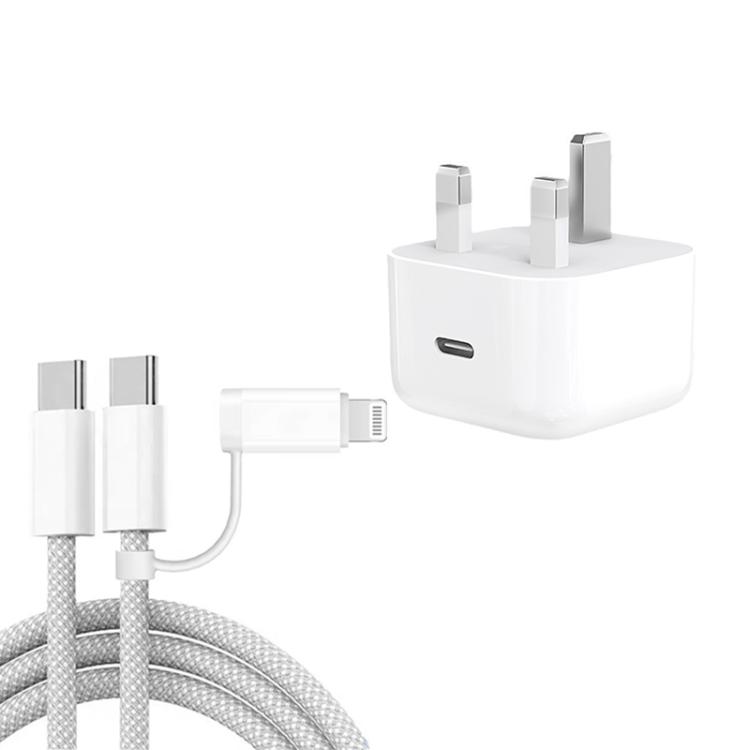
The regulation is net positive for consumers — one charger for everything is cheaper and generates less waste. But the regulation doesn’t guarantee cable quality. You still need to check the data speed, AWG rating, and E-Marker chip yourself. Buy certified. Skip the cheapest option. And if your device didn’t come with a high-speed cable, buy one separately — the difference between USB 2.0 and 10 Gbps is the difference between a 6-hour file transfer and 4 minutes.
Find certified chargers and cables in our USB-C charger collection and cable collection.
FAQ
Does the EU common charger regulation apply to devices I already own?
No. The regulation applies to new products sold after the compliance deadline. Your existing devices and chargers are unaffected. When you replace a device, the new one will have a USB-C charging port.
Are uncertified chargers dangerous?
They can be. Chargers without UL, CE, or USB-IF certification may lack over-voltage protection, adequate insulation between primary and secondary circuits, and proper thermal management. The risk isn’t theoretical — the CPSC recalls several USB chargers per year for fire and shock hazards. Always buy certified.
What should I do with my old proprietary chargers?
Keep them for existing devices that use them. Recycle them at an e-waste facility when the device reaches end of life. Don’t throw them in household trash — the transformers contain materials that shouldn’t go to landfill.
Related Searches: EU common charger, USB-C law 2026, common charger regulation, USB-C mandatory Europe, USB-C cable buying tips, charger safety certification, USB-IF certified products, best USB-C accessories 2026