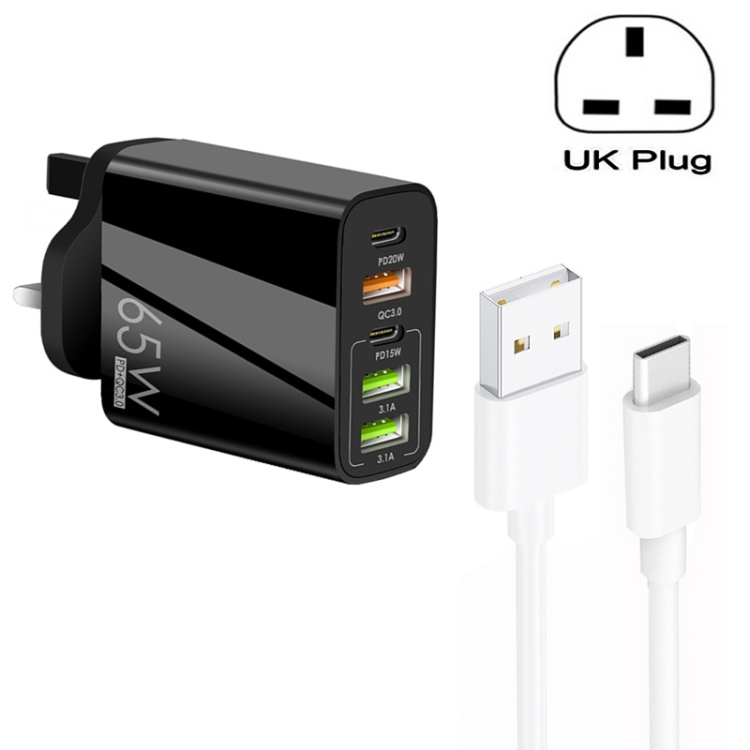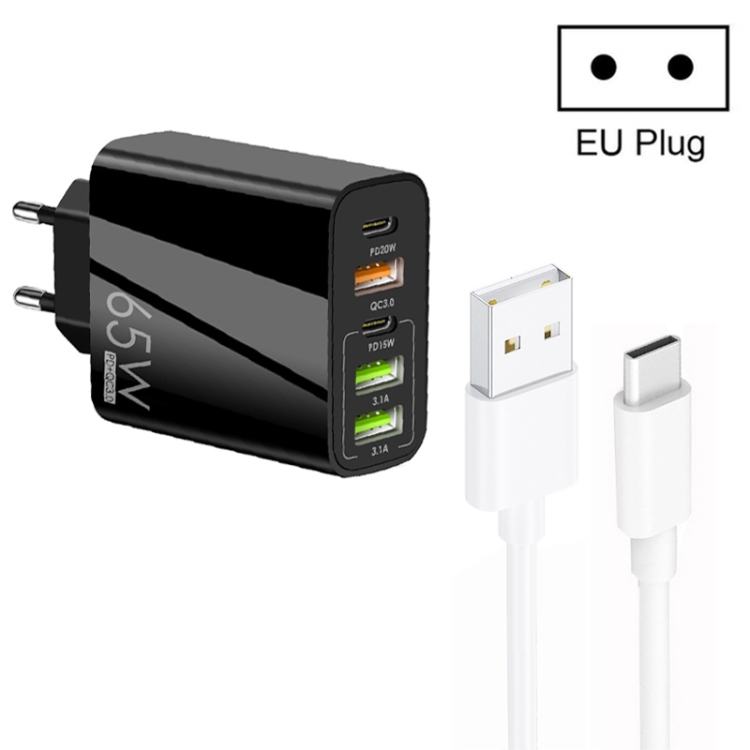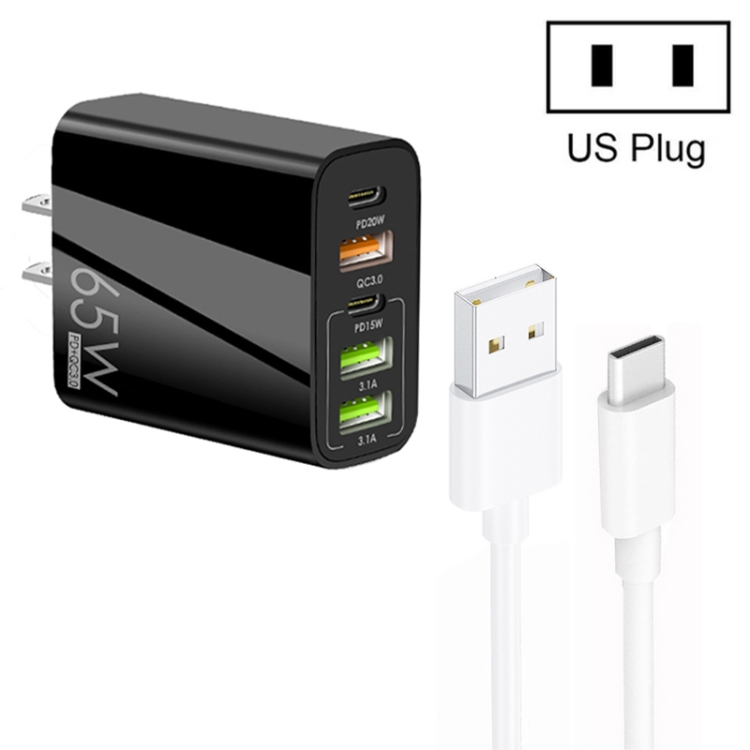
I Replaced My Entire Cable Drawer With 3 USB-C Cables.

How I Ended Up Here
I didn’t set out to become a GaN charger expert. Nobody does. But after spending an embarrassing amount of money on cables and chargers that didn’t work, broke after a month, or nearly damaged my devices, I figured I’d save you the same headache.
Here’s what happened — and what I learned the hard way.
The Problem
It started like it always does. My phone was at 12% battery, I needed it charged before heading out in 40 minutes, and my current GaN charger was doing that thing where the charging icon flickers on and off every time I breathe near it. Sound familiar?
I’d been using the same cable for about six months. It came free with something — I don’t even remember what. The connector was a little loose, the cable had a kink near the plug, and charging speed had gone from “fast” to “is this even connected?” over the past few weeks.
So I did what most people do: grabbed the first replacement I could find. In my case, that was a gas station GaN charger for $8. Which is how this story gets interesting.
What Went Wrong
The gas station cable worked fine. For about three days. Then my phone started charging slower. Then it would only charge in one orientation. Then it stopped working entirely, but not before I noticed my phone running noticeably warmer than usual during those three days.
I looked it up. Turns out, a cheap cable with undersized conductors can cause excess resistance, which generates heat, which degrades your battery faster. I’m not saying the $8 cable destroyed my battery. But the timing was suspicious, and my battery health dropped 3% in the month after I used it.
What I Did Next
After the gas station incident, I went down the rabbit hole. I read USB-IF specifications, watched teardown videos of GaN charger options, and learned more about wire gauge than any normal person should. Here’s the short version of what matters:
- Wire gauge (AWG): Thicker wires carry more current safely. 22AWG power conductors for 100W, 20AWG for 240W. If the listing doesn’t mention AWG, assume the worst.
- E-Marker chip: Required for any cable claiming 100W or above. No E-Marker, no 100W. Period.
- USB-IF certification: It’s not just a logo. USB-IF actually tests these cables for compliance. If a cable has the certification, it meets the spec. If it doesn’t, you’re taking the manufacturer’s word for it.
- Connector tolerance: A loose plug isn’t just annoying — it causes intermittent connections that can spike voltage and damage your device’s charging circuit.
The Fix
Armed with this knowledge, I went shopping again. This time, I actually read the specifications instead of just checking the star rating. I ended up with a GaN charger that:
- Listed 22AWG power conductors in the specs
- Had a USB-IF certification number I could verify
- Cost $14 — about 50% more than the gas station cable, but still reasonable
- Has lasted eight months so far with zero issues
The difference was immediate. My phone charged from 12% to 80% in 35 minutes instead of the 90+ minutes I’d gotten used to. The connector clicked in firmly. And my battery stopped running hot during charging.
What I Wish I’d Known From the Start
If I could go back and tell myself one thing before buying that first replacement GaN charger, it would be this: the specs on the page matter more than the stars next to the product name. A 4.5-star cable with no listed AWG and no USB-IF certification is a gamble. A 4.0-star cable with verifiable specs is the safer bet.
Here’s a quick checklist I use now every time I buy a GaN charger:
- Does it list the wire gauge (AWG)? If not, skip it.
- Does it have USB-IF certification? Verify the number on usb.org.
- Does the wattage rating match the wire gauge? 100W needs 22AWG minimum.
- Are the recent reviews (last 30 days) positive? Old reviews don’t reflect current product quality.
The Bottom Line
A bad GaN charger isn’t just inconvenient — it can cost you more than the price of a good one in damaged batteries, wasted time, and replacements. I spent $8 on a gas station cable, $12 on the charger it may have damaged, and $14 on the replacement that actually works. That’s $34 instead of $14 because I went cheap the first time.
Don’t make my mistake. Check the specs, verify the certifications, and buy once. Your devices — and your wallet — will be better off.
Frequently Asked Questions
Can a bad USB-C cable really damage my device?
Yes. A cable with undersized conductors creates excess resistance, which generates heat. Over time, this heat degrades your device’s battery. In extreme cases, a poorly made cable can deliver voltage spikes when the connection is intermittent, which can damage the charging circuit.
How can I tell if my current cable is safe?
Check for three things: the connector should fit snugly with no wobble, your device shouldn’t run noticeably warm while charging, and the charging speed should be consistent (not fluctuating between fast and slow). If any of these fail, replace the cable.
Is an expensive cable always better than a cheap one?
No. Price and quality aren’t perfectly correlated. A $14 cable with proper specs and certifications can outperform a $30 cable that relies on brand markup. The key is specifications, not price tags. Look for AWG ratings, USB-IF certification, and honest wattage claims.
Related Searches
- simplify USB cables
- minimalist cable setup
- reduce cable clutter
- USB-C cable organization
- GaN charger real review
- is cheap USB-C cable safe
- GaN charger worth buying
- USB-C cable damaged my phone