How to Choose a Travel Charger for Europe: EU Plug Guide 2026

European Plug Types Explained
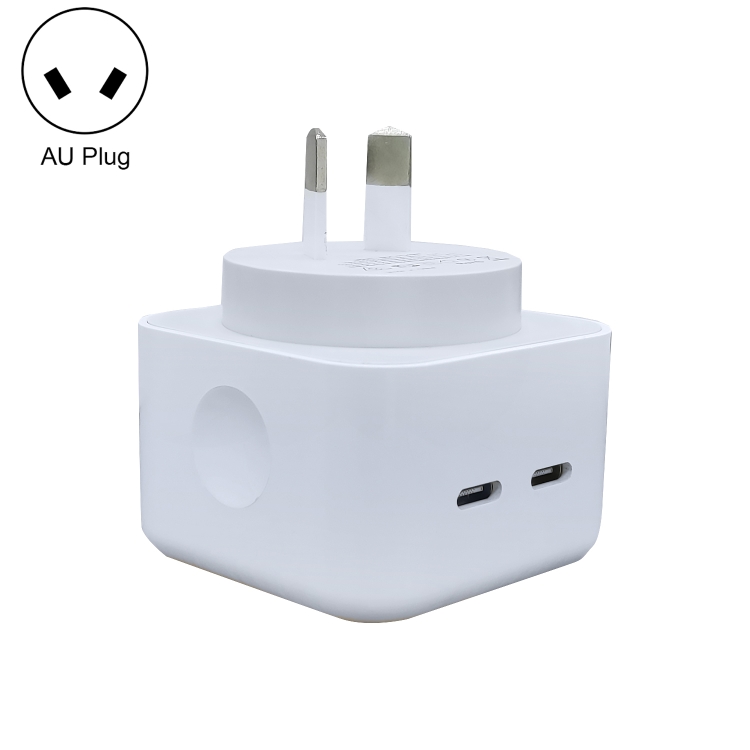
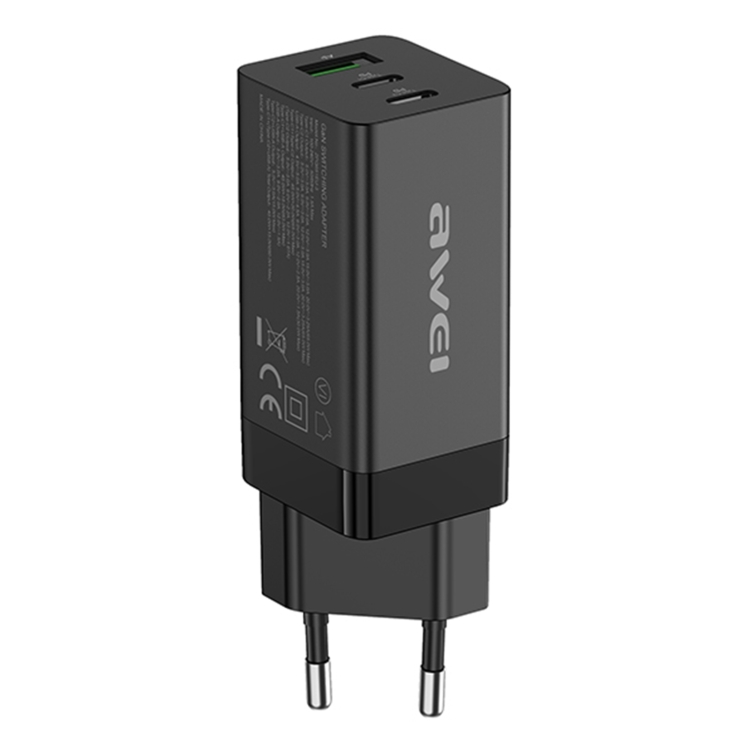
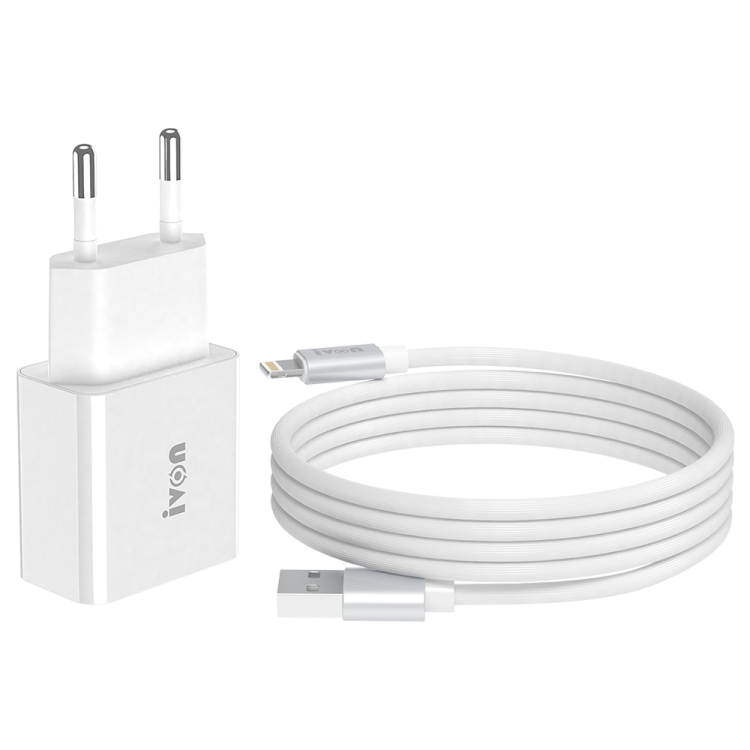
Traveling to Europe? The first thing you need to know is that “European plug” isn’t a single standard. The most common is the Type C (two round pins, 4mm diameter), used across most of continental Europe. But the UK and Ireland use Type G (three rectangular pins), and Switzerland uses Type J (three round pins with a specific spacing).
At USBToUSB, we carry chargers with native EU plugs, including the A3365 PD40W EU variant, the Havit UC253 EU, and the TE-PD65 EU. Here’s how to choose the right one for your European trip.
Why a Native EU Plug Beats an Adapter
Using a plug adapter with a US-style charger creates several problems:
- Loose connection: Adapters wobble in European outlets, causing intermittent charging
- Bulk: Adapters add 3-5cm to your charger, making it stick out from the wall
- Safety: Some cheap adapters don’t properly ground or secure the plug
- Weight: Carrying adapters for multiple countries adds weight to your travel kit
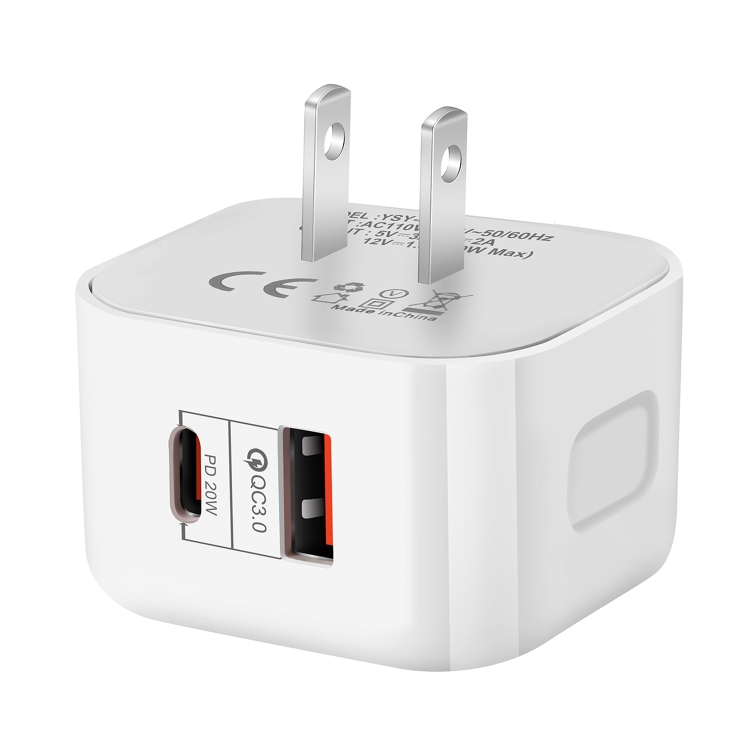
A charger with a native EU plug — like the A3365 PD40W with EU plug — sits flush against the wall, just like it would at home. It’s safer, more reliable, and more convenient.
Which Countries Use Which Plugs?
- Type C (EU): France, Germany, Spain, Italy, Netherlands, Belgium, Austria, Poland, Portugal, Greece, Scandinavia
- Type G (UK): United Kingdom, Ireland, Malta, Cyprus
- Type J (Swiss): Switzerland, Liechtenstein
- Type F (Schuko): Germany, France, Spain (Type C outlets accept Type F plugs)
Most Type C plugs work in Type F outlets, so a charger with a standard EU Type C plug (like the A3365 EU) will work across nearly all of continental Europe.
Voltage Compatibility: 220V Is Standard
European outlets deliver 220-240V at 50Hz, while US outlets deliver 110-120V at 60Hz. All USB-C chargers we sell at USBToUSB are rated for 100-240V input, meaning they work worldwide. The only thing that changes is the plug shape — the charger’s internal electronics handle voltage conversion automatically.
Best EU Plug Chargers for European Travel
A3365 PD40W EU Plug
Compact 40W charger with native EU plug. Perfect for charging phones and tablets. Includes a Type-C to Type-C 8-pin data cable. Available for €18-€25.
Havit UC253 EU Plug
65W 3-in-1 GaN charger with built-in retractable Type-C cable. The ultimate travel charger — no need to pack a separate cable. Handles laptops, phones, and tablets.
TE-PD65 EU Plug
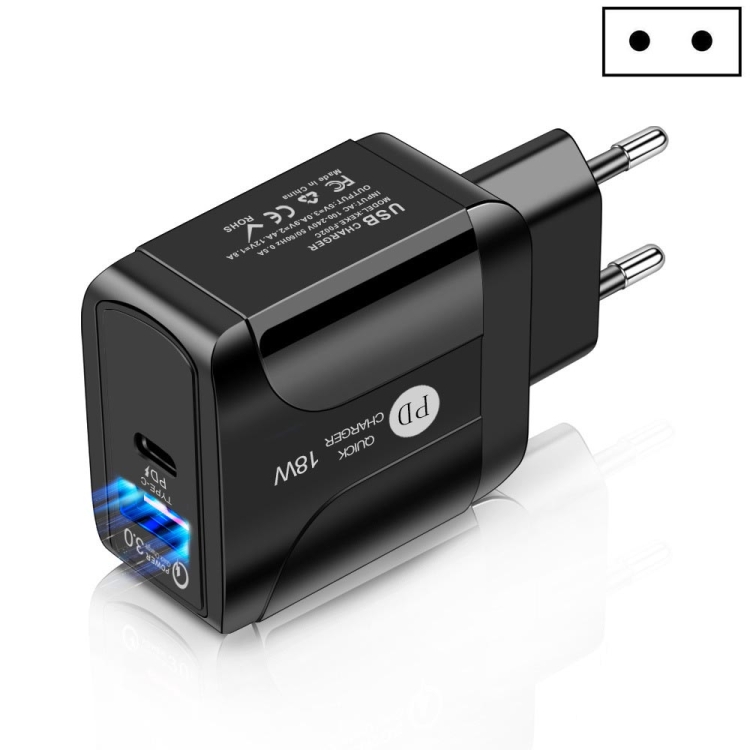
65W GaN charger with QC4.0 support. Full protocol compatibility means it works with every fast-charging standard, including Samsung PPS and Apple PD 3.0.
Travel Charger Packing Checklist for Europe
- 1× EU-plug charger (40W for phones, 65W for laptops)
- 1× USB-C to USB-C cable (if your charger doesn’t include one)
- 1× USB-C to Lightning cable (for iPhone users)
- 1× USB-C to USB-A adapter (for older devices or hotel USB ports)
Common Mistakes to Avoid
Buying a universal adapter instead of a native charger. Universal adapters are bulky, unreliable, and often don’t support fast charging. A native EU plug charger costs the same and works better.
Bringing a 20W charger for a laptop. European hotels often have limited outlets. A 65W charger lets you charge a laptop and phone simultaneously from a single outlet, which is more practical than two separate chargers.
Forgetting about Swiss and UK plug differences. If your trip includes Switzerland or the UK, you’ll need separate plug types. The A3365 series is available in US, EU, and UK variants — pick the right one for each destination.