Fast Charging Explained: PD, QC, and Other Technologies

Understanding Fast Charging
Fast charging technologies have revolutionized how we power our devices. Understanding the different standards helps you choose the right charger and cable for optimal charging speeds.
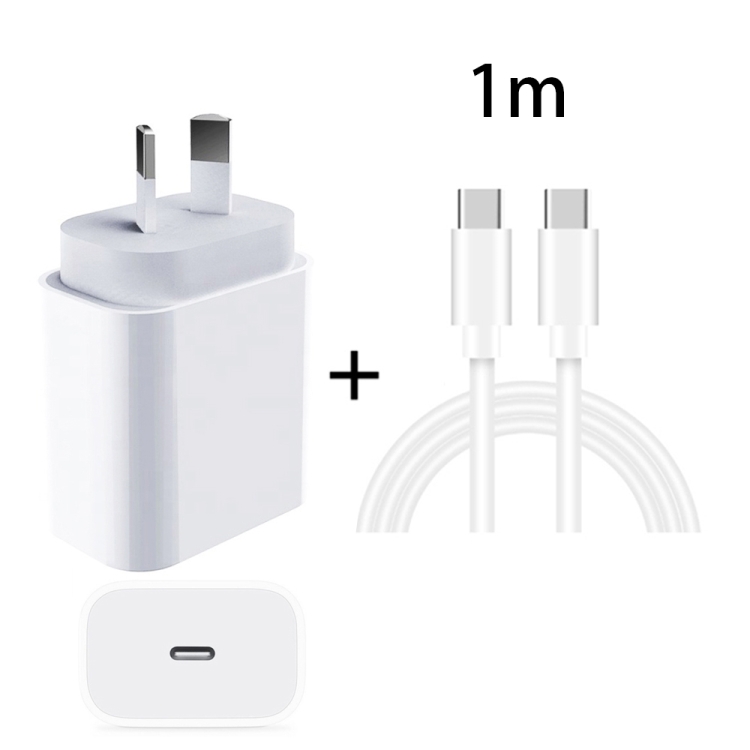
USB Power Delivery (PD)
The universal fast charging standard:
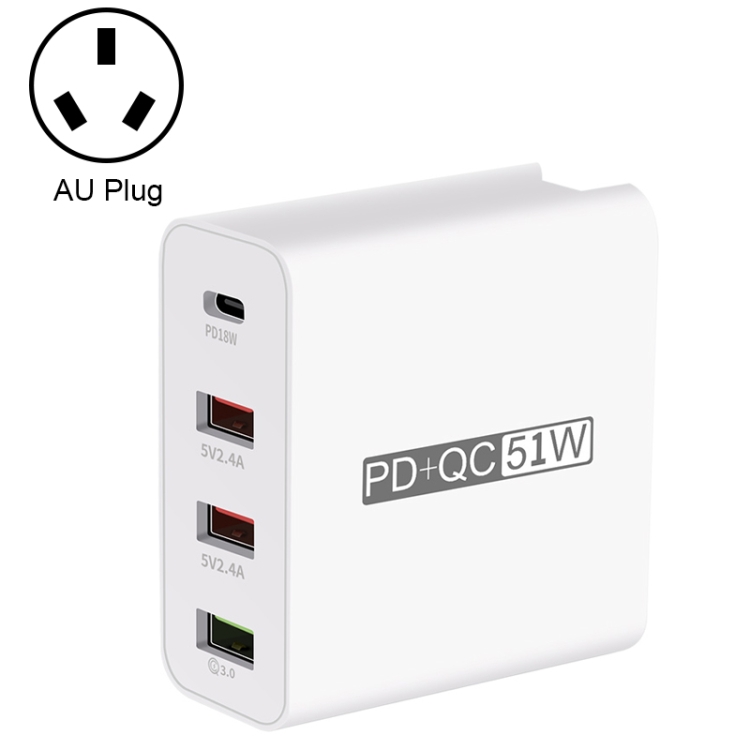
- Power range: 5W to 100W
- Voltage options: 5V, 9V, 15V, 20V
- Universal compatibility: Works across brands
- Intelligent negotiation: Device and charger communicate
Qualcomm Quick Charge (QC)
Proprietary fast charging technology:
- QC 3.0: Up to 18W, variable voltage
- QC 4.0: Up to 27W, includes USB PD
- QC 5.0: Up to 100W, improved efficiency
- Android focus: Common on Qualcomm-powered devices
Proprietary Fast Charging
Brand-specific technologies:
- Apple Fast Charging: 18-20W using USB PD
- Samsung Adaptive Fast Charging: 15-25W
- OnePlus Warp Charge: 30-65W
- Huawei SuperCharge: Up to 66W
How Fast Charging Works
The charging process:
- Device requests power level
- Charger negotiates voltage and current
- Power delivery adjusts dynamically
- Charging slows as battery fills
Requirements for Fast Charging
- Compatible device: Must support fast charging
- Fast charger: Adequate wattage output
- Quality cable: Supports required power
- Correct protocol: Device and charger must match
Fast Charging Safety
Modern fast charging is safe:
- Temperature monitoring
- Automatic power adjustment
- Built-in safety protocols
- Certified components